Ukrainian Embroidery: A Designer’s Honest Review
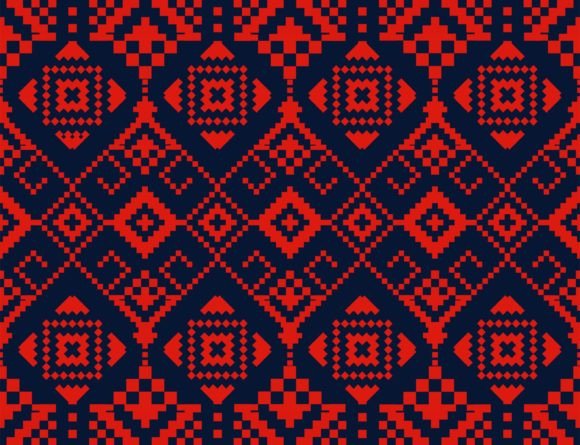
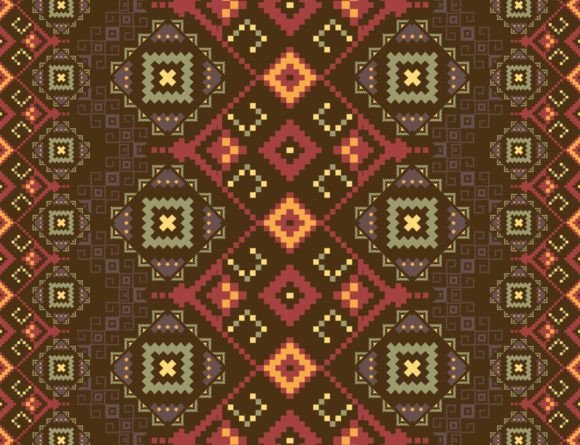
Whenever I browse Creative Fabrica for fresh design assets, I’m always on the lookout for patterns that feel rooted in real tradition yet flexible enough for modern handmade products. The Ukrainian Embroidery pattern stopped me mid-scroll. Its description reads: “Ethnic embroidery cross stitch pattern. Illustration ethnic Ukrainian embroidery geometric shape seamless pattern. Traditional embroidery pattern use for fabric, textile, home interior decoration elem.” That immediately told me it’s a graphic — a seamless pattern file — not a ready-to-stitch machine embroidery design. As an embroidery designer who works with both digital and physical products, I saw this as a creative springboard rather than a finished embroidery file. In this review, I’ll walk you through how I evaluated this asset for real customer orders, from tote bags and sweatshirts to nursery decor and craft fair merchandise.
First Impressions: The Visual Mood of Ukrainian Embroidery
Opening the file, I found a beautifully repetitive geometric pattern built from what looks like traditional cross-stitch units. The design has a handcrafted, almost folkloric rhythm — the sort of visual that instantly says “heritage” and “artisanal.” The repeat is seamless, which is a huge plus for anyone who wants to use it as a background fill, a border, or an all-over print. The colors are earthy and warm, but you can easily recolor it in your design software to match your thread palette or fabric base.
For embroidery designers, the mood matters. A pattern like this brings a nostalgic, high-value feel to a finished product. Whether you’re planning a kitchen towel, a pillow cover, or a custom apparel piece, the Ukrainian embroidery motif carries a story. That story translates into buyer trust because customers immediately perceive the item as authentic and thoughtful, not just another mass-produced graphic.
Where Ukrainian Embroidery Truly Belongs in Real Projects
Because this is a Graphics and Patterns asset, its strength lies in versatility. I started imagining how I’d actually use it for the types of orders I get every week. Here’s where it fits naturally.
Custom Apparel and Tote Bags
For a tote bag design, I’d use the seamless pattern as a printable fabric panel or as a mockup visual. If I wanted to embroider it, I’d bring the pattern into my digitizing software and create a machine embroidery design from the geometric shapes. The repeating nature makes it easy to map out a border or a centered medallion. When digitized as a satin and fill stitch combination, the geometric lines can look crisp and clean on medium-weight canvas. I could also see it used as a background pattern behind a simple applique design — the Ukrainian embroidery motif would give a hand-stitched feel without overwhelming the main element.
For sweatshirt embroidery, I’d be cautious. The pattern is detailed, and if you digitize it at a small size, stitch density could become an issue on stretchy fabric. I’d test a scaled-down version on a scrap of French terry with a cutaway stabilizer to avoid puckering. The pattern’s geometric nature works well with fill stitches, but you’d need to adjust stitch angles to keep the design from distorting when the fabric is worn.
Home Decor and Kitchen Textiles
This is where Ukrainian Embroidery truly shines. I immediately pictured an apron pocket featuring a band of this pattern digitized as a running stitch and satin stitch combination. For a kitchen towel, you could print the seamless pattern onto the fabric using a printable mockup or sublimation, then add a small embroidered accent — maybe a monogram or a tiny flower — to create a mixed-media piece. A pillow cover with an all-over print of this pattern would look like vintage embroidery, and pairing it with real machine embroidery along the edges would elevate the entire product to boutique level.
Nursery Decor, Patches, and Personalized Gifts
For baby blankets or nursery wall art, the pattern can be recolored in soft pastels and turned into a digital embroidery file. Because it’s a seamless repeat, you can create a continuous border that looks like hours of hand stitching. When used on a bib or a small cap, I’d simplify the design — pick a single motif from the pattern and digitize it as a standalone patch. This keeps it legible on a small hoop size and avoids excessive detail that might get lost on textured fabric.
For embroidered patches, I’d trace the pattern’s outlines and use a dense satin stitch with a merrow edge finish. The geometric nature of Ukrainian embroidery patterns makes them ideal for patches because the shapes are clean and recognizable even at a distance.
Etsy Listings, Craft Fairs, and Commercial Embroidery
If you sell handmade products on Etsy or at craft fairs, offering something with a Ukrainian embroidery look sets you apart. The pattern can be used in your product photography as a printable mockup — layer it over a blank tote or pillow to show customers the concept before you even stitch the first sample. For commercial embroidery businesses, this asset is a time-saver. Instead of drawing a traditional geometric pattern from scratch, you have a ready-to-digitize reference. You can create a whole collection of coordinating designs — coasters, napkins, matching aprons — and the cohesive look builds brand consistency.
Practical Embroidery Considerations for This Pattern
Since this is not a plug-and-play embroidery file, you need to approach it with a digitizer’s eye. Here’s what I’d keep in mind before sending anything to the machine.
- Digitizing from the pattern: The geometric shapes are perfect for satin stitch outlines and fill stitch interiors. Keep thread colors limited — too many changes can slow down production and add unnecessary bulk. I’d stick to three or four thread colors that contrast well with the fabric.
- Stitch density: If you scale the pattern down for a small hoop, the dense areas might become a problem. Test on a similar fabric first. On dark fabric, increase the underlay to prevent the base fabric from showing through the stitches.
- Stabilizer choice: For woven fabrics like cotton or linen, a medium-weight tear-away stabilizer works fine. For knits, use a cutaway stabilizer to maintain the design’s shape. For caps, the curved surface can distort geometric patterns, so I’d use a narrower border motif rather than a large fill.
- Fabric texture: The pattern’s cross-stitch look is delicate. On a highly textured fabric, the fine details can get lost. I’d recommend a smooth, tightly woven base for the best stitch definition.
- Frequent washing: If the finished product is a kitchen towel or baby item, make sure your digitized version has clean, locked stitches at the starts and ends. A well-digitized design with proper stabilizer will hold up through many washes without unraveling.
- Mockup use: Before you digitize, use the pattern file as a printable mockup. Place it on product photos to test color combinations and scale. This saves you from stitching a sample that might not look right.
Adding Value to Your Handmade Products
Using a design asset like Ukrainian Embroidery signals quality to your customers. The traditional pattern carries a sense of craftsmanship that can increase the perceived value of your items. A sweatshirt with a well-placed Ukrainian embroidery motif feels more special than a generic floral design. For personalized gifts, you can add a name or initials next to the pattern, and the combination of folk art and personalization makes the item highly giftable.
In your product photography, showing the item with the pattern printed or stitched, plus a short story about the inspiration, can boost engagement. Customers love to feel connected to the process. Whether you’re selling on Etsy or at a craft fair, this kind of design asset helps you build a cohesive brand that stands out.
Workflow Notes and Final Checks
Before you download and use Ukrainian Embroidery from Creative Fabrica, I’d recommend a few practical steps:
- Check the file details on the product page. Understand the resolution, format, and whether it’s suitable for your intended use — be it digitizing, printing, or mockups.
- Review the license. Creative Fabrica’s licensing terms tell you what you can do with the pattern in commercial embroidery products. Always confirm that you can sell finished items created from this asset.
- Test on scrap fabric. Whether you’re printing or digitizing, run a small sample first. Check thread colors, contrast, and stitch density before committing to a full run.
- Consider light and dark fabric versions. The pattern’s appearance changes dramatically on different backgrounds. Create mockups on both to see which sells better.
- Use proper stabilizer. Even if you’re just printing, the fabric you choose will behave differently under the needle if you embroider over it. Always test the full combination.
Is Ukrainian Embroidery Worth Downloading?
From the perspective of an embroidery designer who needs to turn creative ideas into reliable, beautiful products, this pattern is a gem — as long as you understand what you’re getting. It’s a design asset, not a machine embroidery file. That means you’ll need to invest a little time digitizing it or using it for print-based mixed-media projects. But the payoff is a completely original look that taps into the growing demand for heritage-inspired, authentic handmade goods.
If you’re an Etsy seller, a craft fair regular, or a custom apparel decorator looking for a pattern that can be used across tote bags, sweatshirts, aprons, and nursery items, Ukrainian Embroidery gives you a versatile foundation. It works beautifully for printable mockups, and when digitized thoughtfully, it becomes a standout embroidery file that your customers will love. I’d recommend it to any creative entrepreneur who wants to add a touch of traditional Ukrainian artistry to their product line — just remember to test, tweak, and always check the license details on Creative Fabrica before you sell the finished product.