Ukrainian Colorful Embroidery: A Seller’s Review
I’ve spent the last six years running a small embroidery business, and if there’s one thing I’ve learned, it’s that a single design can make or break a product line. When I browse Creative Fabrica, I’m not just looking for something pretty—I’m scanning for designs that will actually sell, stitch cleanly, and give my Etsy shop a consistent look. The Ukrainian Colorful Embroidery design caught my eye immediately because it promises something many crafters crave right now: a bold, ethnic pattern that feels both traditional and on-trend.
Before I ever add a new embroidery file to my collection, I run through a mental checklist. How does the design look in a thumbnail? Does it read well from a distance? What kind of customer would want it on a tote bag or a kitchen towel? And most importantly, can I turn it into a finished product that looks professional and giftable? Here’s my honest breakdown of this particular pattern, based on what I see in the title and description, and how I’d approach it as a small shop owner.
First Impressions and Visual Personality
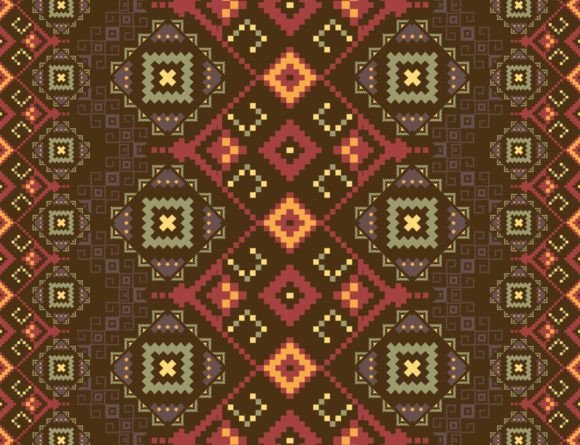
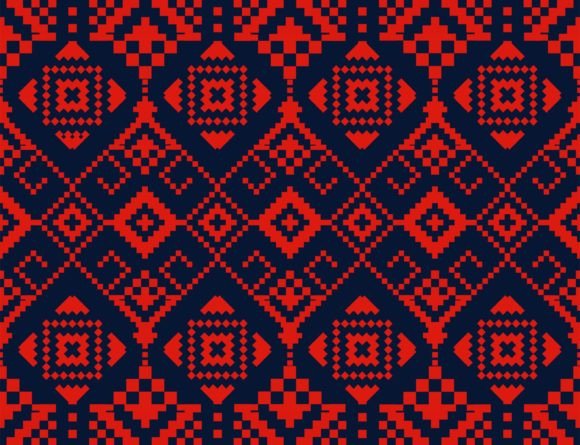
The description calls it an Ethnic Ukrainian embroidery colorful pattern and a traditional ethnic embroidery geometric shape seamless pattern. Right away, I’m picturing a dense, vibrant, repetitive design filled with diamond motifs, cross-stitch-inspired borders, and floral or geometric accents. It’s not minimal or modern—it’s unmistakably folk art, and that’s a huge selling point for a specific buyer demographic. In my shop, anything labeled “ethnic,” “traditional,” or “cultural” tends to attract customers shopping for unique home decor, handmade gifts, or boutique apparel that can’t be found in a big-box store.
This design feels classic and rustic, but the word “colorful” suggests it’s not just red and black. I’d expect a palette that pops—maybe a mix of warm yellows, deep blues, rich greens, and bright orange. For machine embroidery, that means I’ll need to plan thread changes carefully, but the payoff is a finished piece that looks handcrafted and almost hand-embroidered. The seamless pattern aspect also tells me it’s designed to repeat, which is perfect for larger projects like pillow covers, table runners, or even upholstery accents.
If I had to sum up the visual personality, I’d say it’s premium and giftable. It’s not funny or playful; it’s a serious, heritage-inspired design that adds instant value to whatever it touches. A customer buying a sweatshirt with this pattern isn’t looking for a quick fashion joke—they’re looking for something that feels like a wearable piece of art.
Best Product Matches for This Design
My brain immediately starts slotting a design into product categories that have worked for me in the past. Based on the pattern’s scale and style, here’s where I see Ukrainian Colorful Embroidery fitting best.
Tote Bags and Everyday Accessories
A tote bag design with this pattern would be a standout. The geometric layout works well on a flat canvas, and the colorful stitching would pop against neutral cotton or linen. I’d test it on a mid-weight canvas tote, maybe with a simple solid-color lining. For Etsy listings, I’d photograph it with fresh flowers or farmer’s market produce to emphasize the organic, handmade vibe. The same design could also work on zipper pouches, cosmetic bags, or even a structured crossbody bag if I’m feeling adventurous.
Kitchen and Home Decor
Kitchen towels, aprons, and placemats are my bread-and-butter products, and this pattern practically screams for a kitchen towel embroidery application. Pair it with a border of solid stitching along the hem, and it becomes an heirloom-quality gift. I’d also consider embroidered pillow covers—especially lumbar pillows in a boho-chic living room setup. The seamless nature means I could stitch a continuous border around a curtain panel or a table runner, which would be a beautiful addition to a spring or summer craft fair display.
Apparel and Personalized Gifts
I’ve had success with sweatshirt embroidery that uses large, all-over patterns, but placement is everything. For this design, I’d probably stitch it on the upper back of a cream or oatmeal sweatshirt, or as a chest pocket accent. Baby embroidery is another surprising avenue—a small version of the pattern on a baby blanket or a onesie combined with a personalized name could be a hit. I’d also test it on caps, but the density of the pattern might need to be simplified for a smaller embroidery area; I’ll get to that in a moment.
Selling Potential on Etsy and at Craft Fairs
From a seller’s perspective, Ukrainian Colorful Embroidery taps into a few powerful buyer motivators. First, it’s highly giftable. When someone gifts a kitchen towel with this pattern, it doesn’t look like a generic store-bought item—it looks like a thoughtful, curated find. I can picture it in a Mother’s Day collection, a housewarming gift set, or even a bridal shower bundle. The cultural and ethnic angle also makes it stand out in a sea of monogrammed and minimalist embroidery.
Second, it’s easy to photograph. The bold colors and geometric shapes will read well in a thumbnail, which is crucial when you’re competing on Etsy. I’d style it with natural wood surfaces, dried flowers, and neutral linens to let the embroidery shine. The pattern’s complexity also means it hides small stitching imperfections, which is a huge plus for a small batch producer like me.
Finally, it supports seasonal collections without being tied to a single holiday. While it’s not specifically Christmas or Halloween, the warm, rich colors could work for autumn, and the bright palette fits spring and summer. That versatility means I can keep it in my shop year-round, updating just the product photos and keyword tags to match the season.
Technical Considerations for Embroidery
Now, the practical side. The product description doesn’t specify if this is a machine embroidery file, a digitized pattern, or a graphic that needs to be digitized. The category “Patterns” and type “Graphics” suggests it’s a digital seamless pattern illustration, not an embroidery-specific file. That’s an important distinction. If I want to use it for machine embroidery, I’ll need to either digitize it myself or confirm on the Creative Fabrica product page whether an embroidery file version is available.
If it is a machine embroidery design, I’d need to check several things before purchasing. Stitch density is critical for a pattern this dense—too many stitches in a small area can cause puckering on lightweight fabrics. I’d also want to know the hoop size requirements. A seamless pattern means it might be a large design, possibly requiring a 5x7 or larger hoop. Thread colors are another factor; the design might list a recommended palette, but I often swap colors to match my fabric inventory. I’d do a test stitch-out on scrap fabric, adjusting tension and stabilizer as needed. For a thick design like this, a cut-away stabilizer is usually my go-to.
For commercial embroidery use, the licensing is non-negotiable. I always check the Creative Fabrica license terms before selling finished products. The description doesn’t mention commercial use, so I’d thoroughly review the product page to ensure I’m allowed to sell physical items with this design. These details aren’t something to guess—a quick email to support or a careful read of the license can save a lot of trouble later.
Practical Seller Tips Before You List
If I decide to move forward with Ukrainian Colorful Embroidery, here’s my step-by-step game plan, and I’d recommend the same to any fellow seller.
- Test the design first. Never list a product without a sample stitch-out. I keep a dedicated “test” tote bag where I run new designs and wash them a few times to check durability.
- Photograph on real fabric. Customers want to see how the embroidery looks on actual products, not just digital mockups. I’ll take a few shots in natural light, and maybe a close-up video for social media.
- Compare thread color options. The design might come with a set color palette, but I’ll experiment with a softer, more muted version and a brighter, bolder one to see which sells better. Two variations can double my product listings.
- Check readability at thumbnail size. On Etsy, the first photo is tiny. I’ll zoom out and make sure the pattern’s impact isn’t lost. For a dense pattern, a slightly simpler background fabric helps the design pop.
- Confirm hoop size and digitizing. If the file isn’t already an embroidery file, I’ll either have it professionally digitized or use software to convert it, keeping the scale appropriate for my most common hoop sizes.
- Review the Creative Fabrica license. I’ll check if I can use the design on items I sell, and if any attribution is required. When in doubt, I reach out.
Another thing I’d do is create a printable mockup for my shop’s social media. Even if the design is stitched, a digital preview helps customers imagine it on a pillow or a tote. I use simple templates in Canva, layering the pattern over product photos to build pre-launch excitement.
Final Thoughts on Ukrainian Colorful Embroidery
As a craft business owner, I’m always hunting for designs that do more than just look good—they need to sell. Ukrainian Colorful Embroidery has the bones of a profitable product. It’s visually rich, culturally significant, and adaptable to a wide range of handmade items. The biggest question mark is whether it’s delivered as a ready-to-stitch embroidery file or if it requires extra digitizing work. For my shop, I’d lean toward using it for home decor and personalized gifts, where the pattern’s intricate beauty can become the main event.
If you’re an Etsy seller or a small shop owner scrolling through Creative Fabrica, this design is worth a closer look. Just be sure to verify the technical details, do a test run, and style it in a way that speaks to the customer who values tradition and craftsmanship. In a world of fast fashion and mass-produced decor, a pattern like this helps your products feel more intentional—and that’s exactly what today’s online shoppers are willing to pay for.