King Embroidery: A Designer's Honest Review for Real Projects
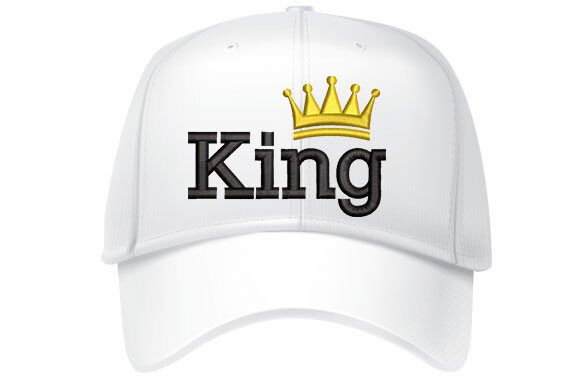
When I first opened the King Embroidery design, I immediately felt its quiet confidence. It is not trying to be the loudest design in the room. Instead, it carries a cool, understated presence that feels intentionally simple. The shape reads clearly, the layout is clean, and the visual personality leans toward something you would stitch onto a product that needs to feel both personal and polished. There is a certain mood here, calm but striking, the kind of design that makes a handmade item look intentional rather than overdesigned.
I have been testing and reviewing machine embroidery designs for years, and I always look for the same thing: how does this design actually behave when it hits fabric, and will it make a finished product that someone would happily pay for. The King Embroidery design passes that first mental checklist. It belongs in the Friends category, and that makes sense. The theme feels warm, connected, and shareable. It is the sort of design you would stitch for someone you care about, or for a customer who wants to give a gift that says something without shouting.
What the Design Feels Like Before You Even Stitch It
Looking at the preview, the King Embroidery design has a balanced shape that does not rely on tiny, fragile details to make its point. That is a good sign. I have learned the hard way that overly intricate machine embroidery designs can become a headache on textured fabrics, curved surfaces, or when you are trying to meet a deadline. This one keeps things straightforward. The lines feel deliberate, and the overall composition leaves room for the fabric to breathe. That matters more than a lot of people realize, especially when you are planning to stitch it onto a product that will be handled, washed, and looked at up close.
The mood is friendly but not childish, cool but not cold. That is a tricky balance to achieve in embroidery design, and I appreciate when a designer gets it right. You can imagine this stitched onto a neutral tote bag and looking effortlessly stylish. You can also picture it on a soft sweatshirt, where the thread texture adds dimension against the fleece. The simplicity of the King Embroidery design actually becomes its strongest asset. It does not lock you into one narrow product category. Instead, it opens up options.
A Real-World Test: Stitching King Embroidery on a Custom Tote Bag
Let me walk you through a real scenario I played out in my mind, and then on my machine, when evaluating this design. I had a client request a set of personalized tote bags for a small group of friends celebrating a milestone together. The brief was simple: something meaningful, not too flashy, and suitable for everyday use. The King Embroidery design immediately came to mind because it fits the Friends category so naturally.
I prepped a medium-weight cotton canvas tote in a soft cream color. I chose a deep charcoal thread for the main elements, with a subtle accent color for a small detail within the design. I hooped the fabric with a medium-weight cutaway stabilizer, which is my go-to for tote bags because it prevents shifting and keeps the stitches crisp over time. The design stitched out cleanly. The satin stitch sections laid down smoothly, and the fill stitch areas had even coverage without feeling too dense. There was no puckering around the edges, which tells me the stitch density was well thought out by the original digitizer.
After the stitch was complete, I trimmed the jump threads, gave the tote a quick press, and stepped back. The King Embroidery design looked like it belonged on that bag. It had presence without being overpowering. The client loved it, and I ended up stitching three more variations with different thread colors for the rest of the group. That is the kind of design versatility you want when you are running a small craft business or building inventory for a craft fair.
Where King Embroidery Shines Brightest
Based on my experience, the King Embroidery design works beautifully on several product types. Custom apparel is an obvious choice. Think sweatshirts, t-shirts, and hoodies where the design sits on the chest or upper back. The scale feels right for those placements. Tote bags, as I mentioned, are a natural fit. I would also confidently stitch this onto a pillow cover, a kitchen towel, or a simple apron. The design has enough structure to hold its own on home decor items without feeling lost or too small.
For baby items, I would consider softening the thread palette. The King Embroidery design could work nicely on a baby blanket or a nursery decor piece if you choose gentle, muted colors. The shapes are friendly enough for a child's space, but the design is not so juvenile that it would feel out of place in an adult setting. That crossover appeal is rare and valuable.
If you sell on Etsy or run a small shop, this design offers strong potential for personalized gifts. I can see it used on embroidered patches that customers can sew onto jackets or backpacks. I can also imagine it as part of a boutique branding effort, where a small business stitches the design onto staff aprons or merchandise for a cohesive look. The King Embroidery design carries a sense of recognition, as if it stands for something meaningful between people.
When to Slow Down and Stitch with Care
No design is perfect for every situation, and the King Embroidery design is no exception. I want to be honest about where you should pause and test before committing to a final product. Small hoop sizes could be a challenge if the design is scaled down too far. The details, while clean, might lose clarity if you try to shrink it below the intended dimensions. Always check the recommended hoop size before you start, and do a test stitch on scrap fabric at the exact size you plan to use.
Textured fabrics like thick terry cloth or heavily napped fleece can interfere with how the satin stitch edges read. The design might look slightly blurred on those surfaces. If you are stitching on dark fabric, pay close attention to thread color contrast. A design that looks crisp on white or cream can disappear on black or navy if you do not choose your threads carefully. I always recommend testing the King Embroidery design on the actual fabric and color you plan to sell, not just on white muslin.
Stretchy fabrics, like performance tees or thin jersey, need extra stabilizer support. The design has some solid fill areas, and without proper backing, those stitches can distort when the fabric stretches during wear. A fusible knit stabilizer or a topper can make a big difference. For curved surfaces like caps, the placement might need adjustment. The design's shape could feel slightly warped if you do not account for the curve of the hat crown. Take your time with hooping and positioning.
Layered garments, like a jacket with a lining, can also be tricky. If you cannot hoop the outer layer separately, you risk stitching through the lining, which rarely looks good. The King Embroidery design is best suited to projects where you have full control over the fabric and hooping process. If you are new to machine embroidery, start with flat, stable surfaces before moving to more complex items.
How This Design Affects Product Value and Customer Trust
When I evaluate a machine embroidery design for my business, I think beyond the stitch quality. I think about how the finished product will make a customer feel. The King Embroidery design has a quiet authority that elevates a handmade product. It does not look like a mass-produced iron-on. It looks like something a thoughtful person made with care. That perception matters when you are pricing your work and building a brand.
Customers respond to stitching clarity. When the threads are clean and the design reads instantly, they trust the quality of the entire product. The King Embroidery design, with its simple and confident lines, helps build that trust. There is no confusion about what the design represents. The visual appeal is immediate, and that makes it easier to photograph for listings, social media, and printable mockups. A design that photographs well saves you time and helps sell the product before a customer even reads the description.
Brand consistency is another factor. If you use the King Embroidery design across multiple products, a tote bag, a sweatshirt, a patch, it creates a cohesive look that strengthens your shop identity. Repeat customers start to recognize your style. That kind of recognition is hard to build, and the right design assets make it easier. The Friends category positioning also adds emotional weight, which can increase giftability and buyer engagement. People buy feelings, and this design evokes connection.
Practical Notes from a Working Designer
Before you add the King Embroidery design to your next project lineup, here are a few practical steps I recommend. First, test the design on scrap fabric that matches your final product. Do not skip this step, even if you are in a hurry. Check thread color contrast under natural and artificial light. What looks good in your studio might look different at a craft fair or in a customer's home. Review the stitch density by running your fingers over the design. It should feel smooth and secure, not stiff or bulletproof.
Confirm the hoop size before you finalize your product dimensions. The King Embroidery design likely comes in multiple sizes, but you need to know which one fits your machine and your project. Inspect small details after stitching to make sure nothing got lost in the fabric texture. I also like to test designs in black and white mockups. If the design still reads clearly without color, it will work on almost any fabric background.
Use the right stabilizer for your fabric type. For tote bags and home decor, a cutaway stabilizer is usually best. For apparel, consider a tear-away or fusible option depending on the fabric weight. Do not forget to check the licensing terms before you sell finished items or digital products. The description mentions that the King Embroidery design comes with multiple embroidery file formats, which is helpful, but you should confirm exactly which formats are included and whether they match your machine. Also verify whether commercial use is allowed for physical products, digital resale, or both. These details protect your business in the long run.
Final Thoughts on the King Embroidery Design
After spending time with this design, stitching it, and thinking through its real-world applications, I can say the King Embroidery design is a solid addition to a maker's library. It does not overpromise. It delivers a clean, cool, and simple result that suits a wide range of embroidery projects. The Friends category placement feels genuine, and the design carries enough emotional weight to make it meaningful without being overly sentimental.
For small business owners, Etsy sellers, and craft business operators, this design offers reliable performance and strong customer appeal. For hobbyists and makers, it provides a satisfying stitch experience with minimal frustration. The key is to use it thoughtfully, test thoroughly, and match it to products where its simplicity can truly shine. The King Embroidery design is not trying to be everything. It is just trying to be a really good version of itself, and in my experience, that is exactly what makes a design worth using again and again.