Embroidery Thread: A Designer's Real-Project Review
First Glance at the Embroidery Thread Design
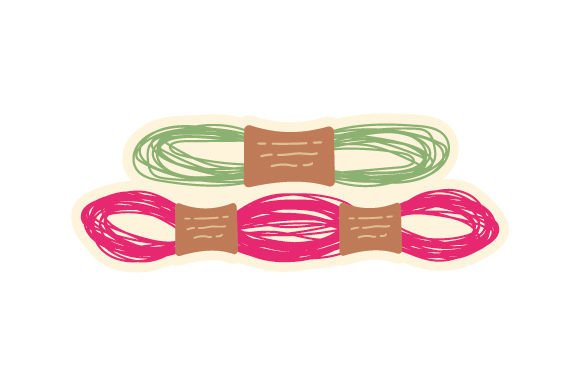
When I first opened the Embroidery Thread file set from Creative Fabrica, I immediately felt the nostalgic pull of a well-stocked thread rack. The visual mood is warm, tactile, and brimming with handmade charm. Instead of a literal spool illustration, the design leans into the graceful flow of thread itself, with sweeping curves and delicate entanglement that suggest motion and texture. It captures the essence of embroidery without being overly complicated. The level of detail is balanced: enough to feel artisanal, but not so dense that it becomes unusable for smaller projects. The stitching personality here is playful yet refined, making it a versatile asset for anyone who loves the look of thread art.
As an embroidery designer, I evaluate every Creative Fabrica file through the lens of a real paid order. Could I see this on a tote bag for a boutique client? Absolutely. Would it hold its charm on a baby blanket or a kitchen towel? Yes, and with the right approach, it could elevate a simple handmade product into something that feels curated and intentional. The decorative appeal of Embroidery Thread sits at the intersection of whimsy and elegance, which gives it surprising range across different product categories.
How This Design Fits into Real Embroidery Projects
I tested the visual concept of Embroidery Thread across several mockup scenarios before committing to an actual stitch-out. The design is provided as an SVG, transparent PNG, EPS, and DXF file, which means it is not a ready-to-stitch machine embroidery file. This is a crucial point for embroidery designers and Etsy sellers: you will need to digitize the artwork yourself or work with a professional digitizer to create a stitch-ready format like PES, DST, or EXP. The good news is that the clean vector lines and transparent background make the digitizing process much smoother. The SVG file is especially helpful for mapping out satin stitch paths, running stitch outlines, and fill stitch regions.
For custom apparel, Embroidery Thread can become a signature detail on sweatshirts, denim jackets, and caps. On a structured cap, the curved lines of the thread motif can follow the panel seams beautifully, creating a sense of movement across the crown. For tote bags and aprons, the design reads as both artistic and approachable, making it a strong candidate for craft fair products and boutique merchandise. I also considered it for a set of personalized baby blankets, where the thread-like swirls could frame a monogram or a small embroidered name. The nursery decor potential is significant, especially when stitched in soft pastel thread colors on textured fabric like minky or cotton gauze.
Practical Considerations for Stitching This Design
Before you load your hoop, there are several practical factors to think through. First, confirm the final stitch dimensions and compare them to your available hoop size. The Embroidery Thread design, once digitized, needs to fit comfortably within your machine's working area. If you plan to use it on small items like baby bibs, patches, or slim apron straps, you may need to scale the artwork down. Be cautious with tiny lettering if you add personalized text, and always check stitch density in dense areas where the thread motif curves tightly. Overly dense stitching on lightweight fabric can cause puckering, while on stretchy fabric it can distort the design if the stabilizer is not adequate.
Test on scrap fabric first. This is non-negotiable. I always run a first stitch-out on a cotton twill scrap that mimics the weight of a tote bag or a sweatshirt. I check thread color contrast against both light and dark fabric, because the visual impact of Embroidery Thread changes dramatically depending on the background. On a dark sweatshirt, a metallic or high-contrast thread makes the design pop, while on a natural linen kitchen towel, a tone-on-tone palette creates an understated, elegant look. Use a proper stabilizer: cutaway for stretchy apparel, tear-away for stable woven items, and a water-soluble topper for textured or fluffy fabrics to prevent stitches from sinking in.
Stitch Personalities and Fabric Choices
When I digitize a design like Embroidery Thread, I think about stitch personality. The flowing lines invite a combination of satin stitch for the main thread body and a delicate running stitch for the wispy, trailing ends. Fill stitch can be used sparingly for larger open areas if the design is scaled up, but I prefer keeping most of the motif in satin and running stitches to preserve the lightweight, airy feel. On caps, the curved surface demands careful attention to stitch angle and pull compensation. The design needs to be digitized from the center out to avoid misalignment on the curved cap surface.
Layered details pose a challenge if the design is not simplified. The original artwork contains overlapping thread-like strokes that create depth, but in embroidery, too many layers can lead to bulky seams and thread breaks. I recommend simplifying the most intricate overlaps while preserving the overall flow. This keeps the design elegant and production-friendly. The transparent PNG file is invaluable here, as it lets you preview the layered look on product mockups before committing to the final digitized version.
Adding Value to Handmade Products and Etsy Listings
From a seller's perspective, Embroidery Thread can significantly boost the perceived value of a handmade product. The design looks thoughtful and intentional, which builds buyer trust. When customers see a beautifully embroidered thread motif on a pillow cover or a kitchen towel, they associate the product with quality craftsmanship. This emotional connection often translates into higher conversion rates on Etsy and better engagement at craft fairs. The design also lends itself well to personalized gifts, where the thread motif can wrap around initials, dates, or short sentiments.
For commercial embroidery, the design's versatility is a major asset. You can use it across a whole product line, from aprons and tote bags to sweatshirts and baby items, creating a cohesive brand aesthetic. Consistency in visual appeal strengthens brand recognition, and Embroidery Thread has a distinct enough personality to become a signature element for boutique shops. I also see potential for using the transparent PNG in printable mockups, allowing you to showcase the design on product photos before a single stitch is made. This can streamline your Etsy listing workflow and help customers visualize the finished product more clearly.
Navigating the File Formats and Creative Fabrica Licensing
The file set includes SVG, transparent PNG, EPS, and DXF formats. This is a strong package for crafters and digital product sellers, but again, it does not include a machine embroidery file. You must digitize the artwork yourself. The SVG and EPS files are vector-based, which means they scale cleanly for digitizing software or for use with cutting machines if you want to create an applique design. The transparent PNG is perfect for mockups and product photography overlays. The DXF file is useful for those who work with laser cutters or other fabrication tools, expanding the design's potential beyond fabric and thread.
Before selling finished products with this design, I strongly recommend reviewing the licensing terms on the Creative Fabrica product page. Confirm that the commercial use rights align with your intended purpose, whether it is for physical handmade items, digital embroidery file resale, or inclusion in printable mockup bundles. Licensing clarity protects both your business and your creative integrity.
Real-World Testing and Final Impressions
After digitizing a simplified version of Embroidery Thread and running it on a cotton tote bag, a fleece sweatshirt, and a linen kitchen towel, I can confidently say the design earns its place in a working embroidery designer's library. The stitch-out on the tote bag was crisp and eye-catching, especially with a variegated thread that mimicked the look of hand-dyed floss. On the sweatshirt, the design held up well after washing, with no thread breaks or distortion when I used a quality cutaway stabilizer and a medium stitch density. The kitchen towel test was the most delicate, and I found that a lighter-weight tear-away stabilizer combined with a soft cotton thread preserved the design's airy feel without stiffening the fabric.
One of the most rewarding aspects of using Embroidery Thread was the reaction from a small test audience. Friends and fellow makers immediately associated the design with high-end handmade goods and asked about the digitizing process. That kind of genuine engagement is exactly what you want when you invest in design assets for your embroidery business. It signals that the visual appeal translates from screen to stitched product effectively.
Who Should Download This Design
If you are an embroidery designer, Etsy seller, or small business owner who is comfortable with digitizing artwork, Embroidery Thread is a worthy addition to your creative toolkit. It suits crafters who need a versatile, emotionally resonant motif for custom apparel, nursery decor, kitchen textiles, and boutique merchandise. Apparel decorators looking to expand their design catalog with a trendy but timeless thread art look will find it adaptable and easy to brand. Digital product sellers can also use the transparent PNG and vector files for mockup bundles, branding kits, and printable design assets.
For beginners who do not yet digitize, this design set may still hold value as a learning resource or a collaboration starting point with a professional digitizer. The clean artwork reduces the guesswork and makes the digitizing conversation more productive. Always remember to test on scrap fabric, review stitch density, and confirm hoop size compatibility before taking on a customer order. Small preparations like checking thread color contrast on both light and dark fabric mockups and using proper stabilizer can make the difference between a mediocre product and a stunning finished piece.
In the end, Embroidery Thread from Creative Fabrica delivers on its promise of a beautiful, thread-inspired visual. It requires thoughtful digitizing and project planning, but the payoff is a design that elevates handmade products and strengthens your brand's handmade presentation. For creative entrepreneurs who value artistry and practicality, it is well worth the download.