Embroidery Jacobean Flower Clipart: A Designer’s Review
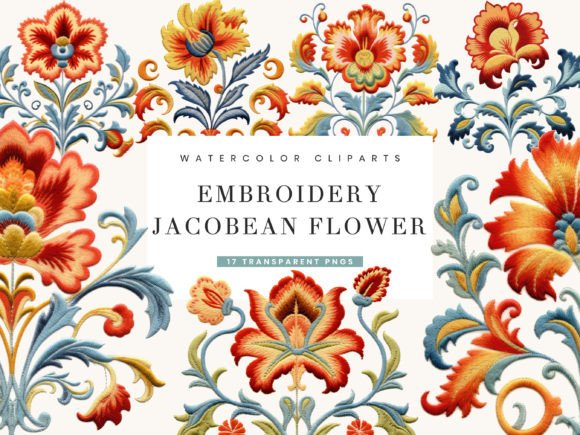
When I start planning a new boutique apparel line, I always begin with the visual mood. Not just the garments, but the design motifs that will carry the entire collection. This week, while preparing a small sweatshirt and hoodie assortment for an online shop launch, I came across Embroidery Jacobean Flower Clipart on Creative Fabrica. The product listing caught my attention instantly: ornate floral shapes, clean lines, and a classic feel that could work beautifully on both neutral sweatshirts and soft pastel hoodies. Here’s my detailed, unfiltered take on how this clipart could translate into real-world embroidery pieces for custom apparel, boutique merchandise, and lifestyle products.
First Impression: Visual Personality and Stitching Mood
Opening the folder, I found individual PNG files with transparent backgrounds. The images have an average size of 5-6 inches at their greatest measurement, which is a comfortable starting point for most garment placements. The resolution is high, and the edges are crisp enough to digitize without hours of cleanup. The Jacobean flower style itself brings a distinctive personality: it’s ornate yet balanced, with flowing petals and subtle structural curves. It feels premium, feminine, and slightly vintage without being outdated. I’d describe it as a bridge between rustic charm and refined elegance—perfect for a boutique brand that wants to signal attention to detail. The decorative strength is high, but the design is not so dense that it screams “overdone.” It leans classic, with a hint of modern minimalism because the flowers are cleanly separated from the background. For a machine embroidery design, this kind of visual clarity is gold.
How It Performs for Sweatshirt and Hoodie Embroidery
I immediately envisioned this Embroidery Jacobean Flower Clipart on a relaxed, oversized sweatshirt in oatmeal or cream. The natural curves of the design would nestle perfectly into a chest placement, creating a focal point without overwhelming the garment. Because the clipart is high quality and already isolated, digitizing it for a sweatshirt embroidery project becomes a study in thread colors and stitch density. I’d likely choose a soft sage green for the stems, blush pink for the petals, and a muted gold for the center details—tones that feel both trendy and timeless. On a hoodie design, I’d scale it slightly larger for a back placement, or keep it small for a sleeve accent. The 5-6 inch size works well for a prominent chest logo, but for larger back designs, you might need to resize during digitizing, which is doable with such clean source files.
For dark apparel—think charcoal, deep navy, or black—the design would pop beautifully with lighter thread colors or even a tonal white-on-white approach. The transparent background means I can easily mock it up on various fabric swatches before committing to a stitch-out. The clipart’s ornamental nature also makes it a strong candidate for custom apparel like denim jackets, tote bags, and even seasonal cozy outfits. It’s a design that can carry a boutique brand identity across multiple product types without feeling repetitive.
Placement Possibilities and Practical Constraints
While the visual appeal is undeniable, an experienced embroidery designer always thinks about placement limitations. Small chest placements on women’s sweatshirts often have limited flat space, especially around the bust area. This Embroidery Jacobean Flower Clipart is intricate, so I’d avoid reducing it too much for tiny left-chest logos—under 3 inches, the petal details might lose definition. Instead, I’d reserve it for center-chest, sleeve, or back placements. For stretchy fabric like ribbed cuffs or very thin t-shirts, I’d be cautious. The design’s curves could distort if the fabric shifts during hooping. A sturdy stabilizer and a topper for fleece or textured fabrics will be essential.
When I test on scrap fabric, I always check how the design interacts with the garment’s drape. On fleece sweatshirts, the pile can swallow fine details if the stitch density isn’t adjusted. I’d recommend a slightly higher density for the outer petals and a lower density for the inner highlights to maintain texture without excessive bulk. Curved surfaces like the shoulder seam or the side of a hoodie pocket require careful hooping, but the clipart’s symmetrical nature makes it forgiving—it still reads well if a small section is slightly off-registration.
Where to Use the Design Carefully
- Small chest placement: Keep scaling above 3 inches to preserve detail.
- Dense stitch areas: Avoid laminating the design with heavy underlay; the petals can become stiff.
- Stretchy fabric: Use a cutaway stabilizer and consider a light water-soluble topper.
- Ribbed fabric: The design’s fine lines may warp; test on similar material first.
- Dark garments: Contrast is your friend, but dark thread on dark fabric can mute the Jacobean intricacy.
- Areas that may stretch or wrinkle: Elbow patches, side seams, and tight armholes are risky.
From Digital File to Finished Product: Elevating Apparel Value
Using a design like Embroidery Jacobean Flower Clipart can transform a basic sweatshirt into a handmade product that feels intentional and high-end. For Etsy sellers and small shop owners, the perceived value of an embroidered garment is significantly higher than a printed one. This clipart helps create a professional presentation because the flowers themselves look like a premium design element, not a generic stock graphic. When customers see it on a finished product, they recognize the care in the stitch quality and the design choice. It builds buyer trust and can lead to product recognition—a signature floral that becomes synonymous with your brand.
I also appreciate that the PNG files can be used for printable mockups and social media graphics before I even stitch a single sample. By placing the clipart on a digital hoodie template, I can create lifestyle product photos for my Etsy listings and gauge customer interest. This saves time and thread, and it’s a smart way to integrate the Illustrations and Graphics category into a commercial embroidery workflow. The transparent background means I can layer it over any fabric texture, and the high quality ensures it doesn’t look pixelated on screen.
Practical Embroidery Designer Notes
Before you commit to a full production run, here are the steps I follow whenever I incorporate a new clipart like this into a commercial embroidery lineup:
- Test on scrap fabric that matches your final garment weight. I always run at least two stitch-outs: one on plain cotton and one on the actual fleece or jersey.
- Check stabilizer choice. For sweatshirts, a medium-weight cutaway stabilizer paired with a temporary adhesive spray keeps the design from shifting.
- Review thread color contrast. Hold the digital file next to your garment and squint; if the design disappears, adjust the palette.
- Confirm hoop size. The 5-6 inch maximum dimension usually fits a 6x10 or 8x8 hoop, but never assume—measure your digitized file precisely.
- Inspect stitch density after digitizing. Too many stitches on the inner petals can cause puckering on thinner fabrics.
- Test on similar garment fabric. A hoodie with a brushed interior might need a different needle than a smooth t-shirt.
- Compare placement options. Use a paper printout of the design to check how it looks on different body sizes and postures.
- Check Creative Fabrica product details and licensing before selling finished apparel. The listing mentions PNG files, but you must confirm any usage restrictions for commercial embroidery products yourself.
One important note: this product is a digital embroidery file in the sense that it’s a graphic you can digitize, not a pre-made stitch file. Creative Fabrica’s Embroidery Jacobean Flower Clipart is supplied as high-quality PNGs, so you’ll need to convert it into an embroidery file format (like .dst or .pes) using digitizing software. Always verify the licensing terms to ensure you can use the artwork on items you sell. For a small shop product, that peace of mind is worth the extra step.
Brand Identity and Customer Engagement
When I think about building a visual consistency across a clothing line, motifs like this Jacobean flower do the heavy lifting. On a cozy cream sweatshirt, it whispers “thoughtful luxury.” On a denim jacket, it adds a touch of softness. On a tote bag, it becomes a statement piece. The design is versatile enough to work across seasons—spring pastels, autumnal rust tones, or winter whites. This flexibility helps maintain brand identity without requiring a new graphic for every drop. It also encourages customer engagement because people start to associate the floral style with your shop’s aesthetic. Over time, that recognition can become a powerful marketing tool.
Final Thoughts Before Stitching
As a designer who’s digitized everything from minimalist line art to dense photorealistic portraits, I find Embroidery Jacobean Flower Clipart to be a refreshing asset. It requires thoughtful digitizing, sure, but the payoff is a boutique-ready design that feels both current and enduring. If you’re planning a sweatshirt embroidery collection, a hoodie design launch, or even a custom apparel line for Etsy, this clipart deserves a spot in your creative toolkit. Just remember to do your due diligence: test every stitch, confirm the hoop size and stabilizer setup, and always check the product details on Creative Fabrica before your first sale. With the right preparation, these flowers could become the signature of your next bestselling handmade product.