Embroidery Digitizing for Ruggby Players Review
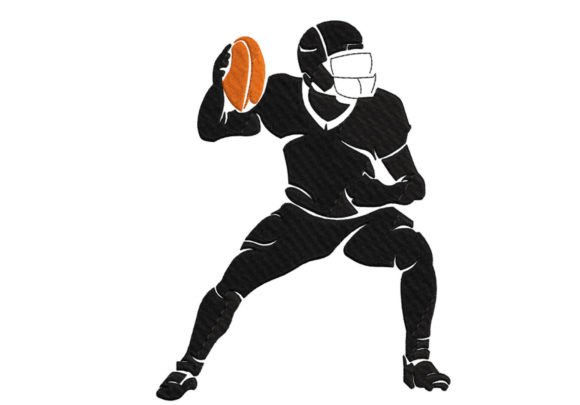
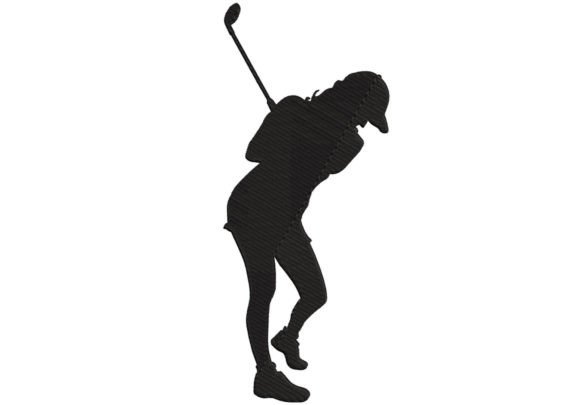
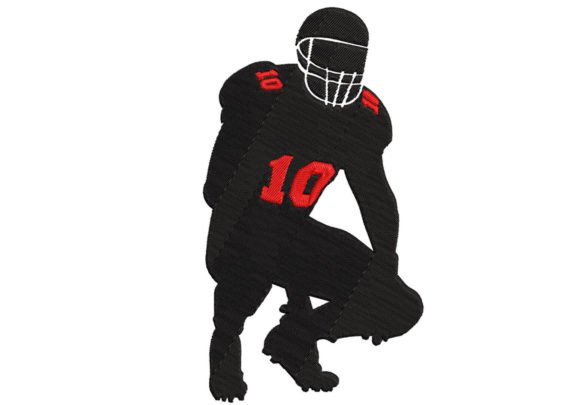
The moment I opened the digital file for Embroidery Digitizing for Ruggby Players, I knew it was built for energy. The description talks about embracing the spirit of rugby, and the design lives up to that promise. It isn’t a quiet, subtle motif. It’s a bold, sporty, and slightly aggressive graphic that feels like it belongs on a team bench, in a fan’s hands, or at a weekend market stall where people hunt for gifts with personality. For a craft fair booth, this is the kind of machine embroidery design that stops a passerby mid-step, especially if you let it shine on a dark apron or a crisp canvas tote.
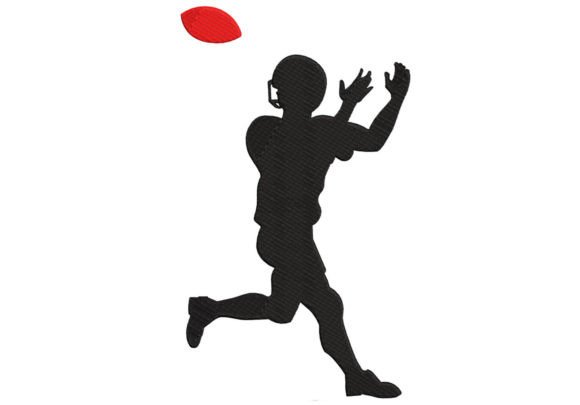
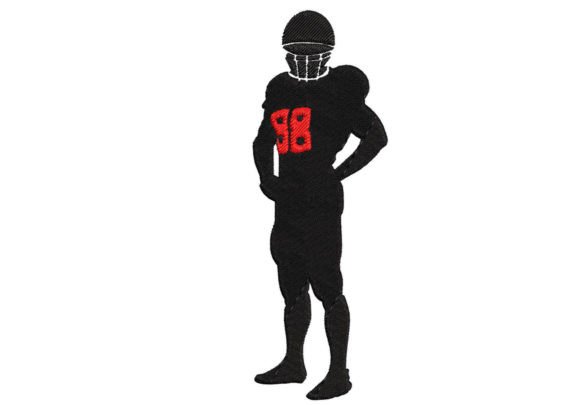
When I evaluate an embroidery file for a handmade shop, I think about how it will read from three feet away. Embroidery Digitizing for Ruggby Players has a strong silhouette and clear focal elements. It doesn’t rely on tiny text or overly fussy details, which is a huge plus. The imagery immediately communicates power, movement, and the camaraderie of the sport. That instant recognition is what turns a casual glance into a sale. A shopper doesn’t want to squint and guess; they want to feel the vibe. This design gives them exactly that.
Why This Rugby Design Stands Out at a Craft Fair
On a table full of soft florals, farmhouse lettering, and cute animals, Embroidery Digitizing for Ruggby Players carves its own niche. It’s not trying to be rustic or elegant. It’s bold, genuine, and full of motion. That contrast is a seller’s secret weapon. While other booths blend together, a well-placed rugby-themed tote bag or cap becomes a magnet for sports fans, gift buyers, and anyone who appreciates a design with a bit of edge. The mood is masculine but not unwelcoming, making it a perfect pick for unisex items and gifts for coaches, players, or dedicated supporters.
From a brand consistency perspective, this design can anchor a small collection. Pair it with a few complementary sport-themed or motivational designs, and you create a mini story that feels intentional. A customer might buy a patch for a jacket, a tea towel for a game-day kitchen, and a pouch for a gym bag, all tied together by that distinctive rugby spirit. The handmade product value jumps because the embroidery feels purposeful, not just decorative.
Best Products for Embroidery Digitizing for Ruggby Players
After running test stitch-outs on a few different substrates, I’ve narrowed down the products where Embroidery Digitizing for Ruggby Players really sings.
- Canvas tote bags and market bags – The large, flat surface gives the design room to breathe. A crisp white or natural cotton tote makes the dark thread pop, and the sturdy fabric holds up to denser stitch areas without puckering.
- Caps and visors – The curved surface is always tricky, but the composition here works well on the front panel of a structured cap. Just be mindful of the center seam and use a cap hoop and proper backing. The bold graphic looks fantastic on a black or navy dad cap.
- Aprons – A heavyweight cotton or canvas apron with this design across the chest or on the pocket becomes an instant gift for the grill master who loves rugby. It’s different, memorable, and fully functional.
- Tea towels – I’d stick to flat-weave flour sack towels rather than thick terry texture. The design’s impact relies on clean lines, and a textured towel can soften the edges. On a smooth kitchen towel, it’s a quirky, conversation-starting piece.
- Embroidered patches – This is a goldmine. Stitch the design on felt or twill, add a merrowed edge, and you have a stand-alone patch. Sell them as iron-on or sew-on patches, and watch them fly off the hook at a craft fair. They’re small, high-margin, and perfect for impulse buys.
- Pillow covers and small pouches – A 16x16 cushion cover with this design centered on durable linen or cotton gives a sporty, lived-in look. Zip pouches can be personalized further with a name or number, raising the perceived value.
What doesn’t work as well? Highly textured fabrics like chunky knit scarves or heavily napped fleece. The design’s sharp details can get lost. I also avoid extremely lightweight apparel that might twist under the hoop tension. Keep the fabric weight medium to heavy for the cleanest result.
Practical Selling Points for Maker Small Shops
As an Etsy seller or booth vendor, you need designs that photograph well, feel repeatable, and don’t require hours of troubleshooting. Embroidery Digitizing for Ruggby Players checks those boxes. The strong lines and high contrast read beautifully in a flat-lay photo. You can style it with a rugby ball, a whistle, or a simple greenery backdrop, and the image will pop in a thumbnail. That’s crucial for online listings and social media promotion.
For batch production, the design is relatively forgiving. Once you’ve dialed in your stabilizer and thread tension, you can run multiple pieces without constant babysitting. I’d still recommend checking the first few stitch-outs of each batch, but the file doesn’t have an excessive number of tiny, isolated points that break thread easily. The stitch density feels balanced for the scale, though I’ll touch on that more in the production notes.
From a customer engagement angle, the design invites conversation. “My son plays rugby,” or “That’s my husband’s favorite team,” are the kinds of comments you’ll hear at your booth. It’s easy to upsell: “I can do this on a hoodie, a towel, or a patch set.” The versatility of the design lets you offer a range of commercial embroidery products without re-digitizing.
Production Notes and Stitch Considerations
Even the best digital embroidery file needs a thoughtful hand during production. Here are my careful-use notes after test stitching Embroidery Digitizing for Ruggby Players on multiple fabric types.
- Dense stitch areas – The design has some solid fill sections that create a lot of impact, but they can also cause puckering on lightweight fabrics. Always use a heavy cutaway stabilizer, and float a piece of tear-away under the hoop for extra support.
- Small lettering and fine details – If the file includes any text, verify that it’s legible at the intended size. Very small lettering can close up, especially on textured towels or dark fabric. I’d recommend scaling the design to at least 4 inches wide for any text to remain crisp.
- Dark fabric – The design looks stellar on black, charcoal, and navy, but thread colors must be chosen with care. A dark background might swallow darker thread shades. Opt for high-contrast thread choices: white, gold, bright red, or electric blue against dark bases. Test on a scrap of the exact fabric before committing to a full run.
- Hoop size awareness – Without knowing the precise dimensions of the file, I’d guess this fits comfortably in a 5x7 or larger hoop. If you’re limited to a 4x4, check the provided specs. Scaling down too much might ruin the detail. The embroidery digitizing for Ruggby Players file likely has a sweet spot, and you should respect it.
- Curved surfaces – Caps and bucket hats require a curved stitch path. The design’s strong directional elements might misalign if not properly positioned. Use a cap embroidery frame and center the design carefully. I always stitch a sample on a cheap cap first to see if any elements warp around the seam.
Thread color count is another thing to review. While the graphic nature of the design suggests it doesn’t need a dozen colors, you’ll want to confirm the number of stops. Each thread change adds time. If you’re doing a large batch for a market, fewer color changes mean faster output. Keep your color palette intentional—three to four well-chosen colors often look more professional than a rainbow approach.
Testing Your Embroidery File Before the Fair
I never bring a new design to a craft fair without a full dress rehearsal. Here’s my checklist for Embroidery Digitizing for Ruggby Players, and I’d encourage every small shop product creator to do the same.
- Scrap fabric test – Stitch the design on the exact fabric you plan to sell. Cotton canvas, linen, denim, and twill all behave differently. Watch for any pulling or distortion.
- Thread contrast check – Try two or three thread color combinations. What looks great on the screen might be dull in person. I often find that a slightly warmer or brighter shade gives the design more life.
- Stabilizer comparison – Test with a few different stabilizers (cutaway, tear-away, water-soluble topper) and note which gives the flattest, most professional finish.
- Create at least one real mockup – This isn’t just for photos. A finished product in your hands tells you about drape, feel, and washability. I stitch a sample tote bag or cap and carry it around for a day to see how it holds up.
- Review spacing and alignment – If the file has multiple elements, make sure nothing is too close to a seam or edge when placed on the final product. The design should have breathing room.
Commercial Licensing and Digital File Details
Before you sell any finished product featuring Embroidery Digitizing for Ruggby Players, you must confirm the commercial embroidery license terms. The product description doesn’t specify exact stitch count, number of colors, or allowed uses, so you’ll need to check these details in the file’s documentation or with the seller. I always verify that the license permits selling physical items at craft fairs, on Etsy, and in boutiques. Some digital embroidery files are for personal use only, and ignoring that can lead to trouble.
Also, confirm the file format you need—DST, PES, EXP, etc.—and ensure it’s compatible with your machine. If you’re using a multi-needle machine, check for any color sequence notes. The hoop size and stitch density information should be part of the file details; if not, request them. A responsible digitizer will provide this, and it saves you from guessing.
Finally, think about how this design fits into your broader design assets library. It’s a strong, niche piece that can sit alongside other sports, hobby, or gift designs. For an Etsy seller or craft fair vendor, having a mix of trendy and timeless designs is key. Embroidery Digitizing for Ruggby Players leans into a passionate community, and that’s a smart business move. It won’t appeal to everyone, but for the right buyer, it’s an instant must-have. And when that buyer spots it on your booth table, stitched perfectly on a sturdy tote or a sharp cap, they’ll see the quality and the story, and they’ll reach for their wallet.