Golf GirlEleva Embroidery Digitizing Review
First Impressions: The Personality of the Design
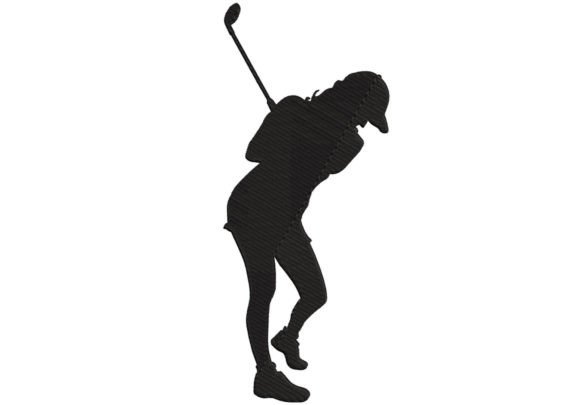
As an embroidery designer who spends most days translating digital files into stitched works of art, the Embroidery Digitizing for Golf GirlEleva immediately reads as a playful, feminine piece with a clean, sporty edge. The title alone suggests a whimsical golf motif—maybe a stylized girl swinging a club, a flirty skirt, or a modern take on retro golf vibes. From a digitizing standpoint, the mood leans into charming boutique apparel rather than hardcore athletic gear. It feels decorative, cute, and perfectly suited for a cozy sweatshirt drop that wants to be both lifestyle and statement.
The layout, even without seeing the actual file, likely balances a central graphic with a curved or arched lettering style. The word “Eleva” hints at something elevated—maybe the girl is literally on a golf ball, or the text is stacked and playful. This kind of design usually comes with a medium-high detail level: enough to be interesting up close, but not so dense that it turns into a bulletproof patch on a sweater. The stitching personality will be shaped by the digitizer’s underlay choices, but I’d expect a soft, almost fluffy finish on the fills and crisp, clean satin outlines. That’s exactly the kind of texture that makes a machine embroidery design feel premium on a brushed fleece surface.
How It Sits on a Sweatshirt: Fabric, Drape, and Stitch Realism
When I imagine this digitizing landing on a real sweatshirt, I picture it on a neutral oatmeal or heather grey base—the kind of fabric that absorbs thread without fighting it. Sweatshirt embroidery is a different beast than flat canvas or twill. The looped back of French terry, the plush face of a heavyweight hoodie, all of it demands a thoughtful digitizer. The Embroidery Digitizing for Golf GirlEleva needs to be tuned for sinkage. If the stitch density is too aggressive, the design will sink into the fleece and lose definition. If it’s too light, the fabric shows through and the image looks starved.
For a hoodie design or a chest placement, I’d want to see a nice even fill with a little extra padding underneath—just enough to lift the design slightly above the fabric nap. The stabilizer choice is critical here. I always recommend a cut-away stabilizer for any sweater that will see multiple washes, and for this design, a medium-weight cut-away is non-negotiable. It keeps the stitches from puckering and gives the finished piece a sturdy, flat back that won’t irritate the skin. On oversized hoodies, the design might sit right on the chest pocket line, and the drape of the garment will pull slightly around the embroidery. That’s a good thing—it adds a subtle, custom-made look that screams boutique brand.
Placement Possibilities: From Chest to Back to Sleeve
One of the first things I evaluate with any digital embroidery file is how it scales across different placements. The Embroidery Digitizing for Golf GirlEleva feels like a natural for a left chest spot—about 3.5 to 4 inches wide, which is a safe zone for most digitizing. At that size, the lettering has to be clear, and any tiny golf elements (club, ball, flag) need to be simplified enough to read without turning into a blob. I’d test stitch at a 75% reduction just to see if the smallest details hold up. If the design includes thin lines or small text, a savvy digitizer will have opened up those spaces or used a slightly thicker satin stitch to compensate.
For a back design on a crewneck, this file could be scaled up to 7 or 8 inches wide. That’s where the stitch density really matters—too much fill and the sweater becomes stiff and uncomfortable. A well-digitized file will have breathing room: alternating stitch angles, a lighter tatami underlay, and maybe some pull compensation dialed in. I can also see this design working beautifully on a sleeve accent, especially the left sleeve of a zip-up hoodie. A smaller, 2.5-inch version would add a subtle point of interest without overwhelming the garment. That’s the kind of placement that sells well on Etsy and in handmade shops—it feels intentional and special.
Color and Contrast: Thread Choices Across Fabric Drabs
Thread color selection makes or breaks a sweatshirt embroidery project. If the Embroidery Digitizing for Golf GirlEleva is destined for a pastel sweatshirt line—think soft lilac, mint, blush—the thread colors need to be bold enough to pop. I’d lean into a palette that includes a vibrant coral, a deep navy, and maybe a golden yellow for the golf accents. The contrast has to be high, especially on pastel backgrounds, otherwise the design fades into the fabric and loses all visual impact. On dark fabric like charcoal, forest green, or black, the digitizer probably planned for an outline stitch in a contrasting color, or the design itself uses lighter threads to stand out. That’s a smart move for a custom apparel line that wants to be seen from across a room.
If the file is monochromatic or relies on delicate shading, it would sing on a neutral base but might struggle on a highly textured sweater. I always do a quick mockup with actual thread swatches laid over the fabric before committing to a full run. A printable mockup can help visualize the layout, but nothing replaces a stitched sample on the exact garment. For a boutique brand, I’d recommend ordering a few test sew-outs in the top three colorways. That way you can photograph the finished product in natural light and see how the thread sheen interacts with the fleece.
Technical Deep-Dive: Stitch Density, Hooping, and Small-Size Readability
Let’s get into the nitty-gritty. The Embroidery Digitizing for Golf GirlEleva, as a digital file, needs to be evaluated for stitch density balance. I’d look at the total stitch count for the recommended size. If the design is 4 x 4 inches and the stitch count is over 12,000, that’s a heavy density that will feel stiff and might cause thread breaks. Ideally, a well-digitized file for a sweatshirt lands in the 8,000–10,000 range for that size, with enough underlay to stabilize but not so much that it creates a cardboard feel. The hoop size must match the design’s dimensions. If the file is not yet assigned to a specific hoop, that’s a red flag—you need to know the exact hoop size required before you can even load it onto your machine. Most commercial embroidery shops use 4x4, 5x7, or 6x10 hoops, and the digitizing should be saved with the correct center and rotation.
Small-size readability is a huge concern for any design with lettering or a face. If the “Golf Girl” text is too small, the satin stitches will merge and letters like “e” and “a” will close up. I always check the minimum column width in the file; anything under 1.0mm is a gamble. If the digitizer used a running stitch for tiny details, that’s acceptable, but satin stitches need breathing room. The file’s pull compensation settings also matter—if the design isn’t adjusted for the stretch of a sweatshirt, the stitches will distort after the first wash. A good digitizer will have added a slight push or pull compensation, especially on the horizontal axis.
Durability and Wash Testing: Will It Survive a Season?
For a commercial embroidery project, the real test is the laundry. A boutique sweatshirt gets worn, washed, and loved. The Embroidery Digitizing for Golf GirlEleva has to hold up. I’d run a sample through a cold wash, inside out, on a gentle cycle, and then tumble dry low. After five cycles, I check for thread breaks, fraying, puckering, and any pulling of the fabric. If the design was digitized with adequate underlay and a proper lock stitch at the start and end, it should look almost as good as day one. If the stitch density was too high, the fabric around the design will start to pucker—a sure sign that the stabilizer wasn’t enough or that the design needed more compensation.
One thing I always remind fellow Etsy sellers and small shop owners: the back of the embroidery matters. If the back is scratchy or full of long jumps, customers will complain. A tidy back with trimmed jumps and a soft feel is a mark of quality digitizing. I’d inspect the back of the Golf GirlEleva stitch-out and, if needed, add a layer of cover stitch or a soft backing patch for comfort. This is especially important for kids’ or women’s apparel where the wearer might be sensitive to rough textures.
Commercial Value: Brand Identity and Buyer Perception
When I look at the Embroidery Digitizing for Golf GirlEleva, I see a design that elevates a plain sweatshirt into a handmade product with personality. For a boutique brand, this kind of design builds instant recognition. A customer scrolling through an Etsy feed will stop on a sweater that has a whimsical golf girl stitched in bright, cheerful threads. It’s a talking piece. The category Sports brings a lightweight, active vibe, but the Embroidery execution keeps it grounded in artisanal, handmade appeal. That mix is powerful for branding—it says, “We’re a lifestyle brand that cares about the details.”
Using this file in a limited collection of oversized sweatshirts, co-ord sets, or even a matching dad hat creates a cohesive merchandise feel. I’d photograph the finished pieces with a golf ball, a tee, and maybe a pastel driver, leaning into that golf lifestyle aesthetic. The design assets become the hero of the product page. A printable mockup with the design placed perfectly on a model can double the perceived value. And because the design is so specific to women who love golf, it taps into a niche that’s underserved in the handmade apparel space—exactly the kind of gap a smart Etsy seller can fill.
Final Thoughts: Is It Ready for Your Collection?
Before you hit “buy” on the Embroidery Digitizing for Golf GirlEleva file, there are a few practical checks. The product description mentions “personalized flair” and “specialty designed for women who love to hit the greens,” but it doesn’t specify the stitch count, file format, or hoop size. I strongly recommend reaching out to the seller to confirm:
- Supported file formats (DST, PES, EXP, etc.)
- Exact design dimensions and recommended hoop size
- Total stitch count at the default size
- Number of thread colors and any color change stops
- Whether the file includes a PDF worksheet or thread chart
These details are not luxuries; they’re essential for a smooth production run. A good digitizer will provide them upfront. If the file is delivered as a single size, you may need to resize it yourself, and that’s always risky without the proper software. For a small shop product that hopes to scale, having a reliable, tested file is worth its weight in gold.
Overall, the Embroidery Digitizing for Golf GirlEleva has the potential to become a signature piece for a boutique sweatshirt line. It’s fun, wearable, and carries that handmade charm that mass-market apparel can’t replicate. With the right stabilizer, thread colors, and placement, this design will stitch out beautifully on everything from cozy neutrals to bold pastels. Just do your due diligence on the technical specs, sew a sample, and watch your custom apparel collection come to life, one stitch at a time.