Digitized Cute Piggy Embroidery Delight: Craft Fair Review
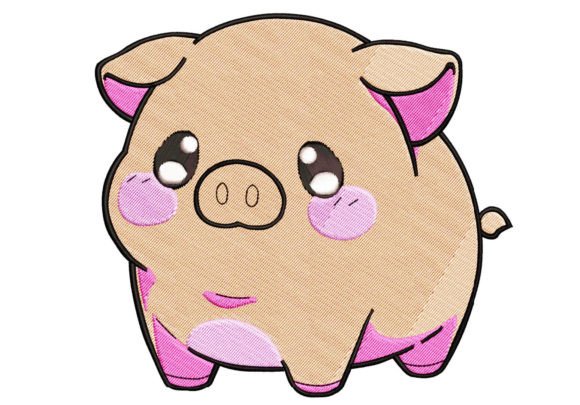
As an embroidery designer who spends weekends selling at busy handmade markets, I’ve learned to judge a machine embroidery design in two quick glances. The first glance is about the emotional pull—will a customer stop, smile, and reach for the product? The second glance is about stitch logic—can I actually produce this piece cleanly, consistently, and at a profit? When I opened the Digitized Cute Piggy Embroidery Delight, I was immediately charmed. The description promises a pattern that captures the sweet essence of a cute pig with intricate details, and from a designer’s eye, this feels like a charming, soft, and highly giftable Baby Animals design that could easily become a booth bestseller.
What struck me first was the overall warmth. The title alone hints at a delicate, almost storybook style—a piglet with personality, not just a generic farm animal silhouette. For a craft fair product, that emotional hook is pure gold. This is the kind of design that makes shoppers pause over a tea towel, pick up a tiny pouch, and say, “Oh, how sweet!” It sits comfortably in the baby animal nursery trend, but it’s also versatile enough for whimsical kitchen decor, playful children’s apparel, and even lighthearted gifts for pig lovers. The intricate details mentioned in the product description suggest that the digitizer has included fine lines, maybe tiny hooves, a curled tail, or a gentle expression. That level of craftsmanship is what separates a digital embroidery file that sells from one that just sits on a hard drive.
First Impressions: Sweetness That Stops Shoppers
At a craft fair, you have about three seconds to grab attention. The Digitized Cute Piggy Embroidery Delight wins that battle instantly. Its promised cuteness is a magnet for anyone browsing a booth filled with handmade product items. I can already picture it stitched in soft blush pinks on a natural linen tote, or in a muted coral on a cream-colored apron. The design feels inherently decorative yet approachable—not too formal, not too childish. It strikes a balance that works beautifully for boutique-style stalls where customers expect something elevated beyond mass-produced goods.
From a display standpoint, this design has strong “pick-up” appeal. Small embroidered items like patches or pouches invite tactile interaction, and the piggy’s sweet face is likely to make people reach out. I’d position it at eye level on a table easel, surrounded by coordinating products in a Baby Animals collection. The recognizable cuteness factor also makes it a safe gift purchase—something a grandmother might buy for a nursery, or a friend might grab for a baby shower. That kind of impulse-friendly design is exactly what a craft fair product needs.
Where This Design Shines: Product Ideas for Your Booth
Not every embroidery design translates well to every blank. The Digitized Cute Piggy Embroidery Delight, with its detailed charm, deserves thoughtful placement. After considering the description, I’d prioritize these items for maximum visual impact and selling power.
Tote Bags and Market Bags
A sturdy canvas tote is my go-to for this design. The flat weave holds crisp details well, and the piggy can serve as a large focal point on the front panel. I’d use a soft, baby pink thread on a natural or oatmeal bag to let the embroidery file shine. Customers love a tote bag design that feels personal and cheerful, and this one can easily command a higher price point because it adds a custom, boutique feel. For market bags with a rougher texture, I’d test first—the intricate details may need a smooth stabilizer sandwich to avoid sinking into the fabric.
Aprons and Kitchen Towels
An apron embroidery with this piggy placed on the bib or a corner pocket is a delightful seller. Pair it with a food-themed pun or just let the piggy stand alone on a high-quality linen apron. For tea towel embroidery, I’d opt for a flour sack towel with a tight weave, placing the design near the hem. Kitchen textiles often sell well at craft fairs, and a cute pig can easily become part of a farmhouse kitchen collection. The key is to keep the stitch count manageable on thinner fabrics; overly dense areas might cause puckering if the stabilizer isn’t right.
Patches and Small Pouches
An embroidered patch version of this piggy would be a hit. I’d stitch it on felt or twill with a merrowed edge and sell it as a standalone iron-on or sew-on patch. Small fabric pouches, like zipper bags or coin purses, also make excellent canvases. The design can be scaled down as an accent, but I’d be cautious—the intricate details mentioned might lose clarity at very small sizes. A patch around 3.5 to 4 inches wide is likely the sweet spot for keeping the expression readable.
Production Secrets: Making the Piggy Look Perfect
Turning a digital file into a polished finished product requires a production mindset. I never stitch a new design directly onto a final blank without testing. Here’s what I’d focus on for the Digitized Cute Piggy Embroidery Delight.
Stabilizer and Fabric Pairings
Fabric texture is everything. For dense or intricate sections, I’d use a medium-weight cut-away stabilizer on woven fabrics like quilting cotton, canvas, or linen. On stretchy items like onesies or T-shirts, a no-show mesh stabilizer prevents distortion. Towels and textured fabrics need a water-soluble topper to keep the stitches from burying into the pile. The stitch density of the design will dictate the stabilizer weight; if the piggy has heavily filled areas (like the body or ears), I’d double-check the density and reduce it slightly if the design allows, just to keep the fabric from feeling stiff.
Hoop Size and Stitch Density
The product description doesn’t list exact hoop size or stitch count, so I’d strongly recommend checking with the digitizer before purchasing. Many cute animal designs are digitized for a 4×4 or 5×7 hoop, but intricate details can push the stitch count higher. I’d test stitch on a scrap of the same fabric I plan to sell on, watching for any thread breaks or dense areas that might cause bulk. If the hoop size is larger, say 6×10, then the design becomes a statement piece perfect for pillow covers or the back of a denim jacket. For a craft fair, I prefer designs that fit comfortably in a 5×7 hoop because they’re quick to produce and work on a wide range of blanks.
Thread Colors That Sell
Thread choice can make or break the piggy’s appeal. I’d use soft, muted tones: a dusty rose or blush for the main body, a light cream for the snout, and a warm brown or charcoal for the eyes and tiny hooves. Pastel palettes sell well for Baby Animals, but so do bolder, trendy colors like terracotta or sage green for a more modern look. I always test thread colors on the actual fabric color I’ll be using. A piggy stitched in pale pink on a dark navy tote might look striking, but if the details are too fine, they could disappear. High contrast is generally safer for intricate designs.
Photography and Online Listings: Making It Click
Many craft fair sellers also run an Etsy shop or a small online store. The Digitized Cute Piggy Embroidery Delight photographs beautifully because its expression is central. I’d style a printable mockup or a real product photo in natural light, perhaps with a sprig of lavender or a baby onesie to set the mood. The key is to show the texture of the stitches—buyers want to see the quality. For design assets, I’d create a flat lay with multiple items: a tea towel, a patch, and a small pouch, all featuring the same piggy. This builds a cohesive brand story and encourages multiple purchases.
When listing on Etsy, I’d use terms like “baby pig embroidery,” “cute farm animal decor,” and “nursery embroidery gift” to attract the right audience. The design’s sweet nature makes it a natural fit for baby shower gifts, and those keywords are high-traffic. The commercial embroidery potential here is strong—many small shops look for designs that are ready to stitch on products they already sell.
Final Designer Notes: Test, Mockup, and License
No matter how gorgeous a design looks on the screen, real-world testing is non-negotiable. I always make at least one real mockup—not just a digital preview—before committing to batch production. Here’s my checklist for the Digitized Cute Piggy Embroidery Delight.
Critical Checks Before You Stitch
- Test on scrap fabric first. Use the exact fabric and stabilizer you plan to sell on. Check for puckering, thread breaks, or skipped stitches.
- Review stitch density. If the design feels too dense, it may cause stiffness or thread waste. A good digitizer balances density with detail.
- Check spacing. Fine details like eyelashes or a curly tail should be distinct, not merging into nearby stitches.
- Confirm hoop size. Measure the design outline and ensure it fits your hoop with enough clearance for the presser foot.
- Compare fabric colors. Stitch one sample on light fabric and one on dark to see how the details hold up. You may need to adjust thread colors for contrast.
Commercial Licensing and Sales
The product description doesn’t specify commercial licensing terms, so before you stitch a single item for sale, verify that the digital embroidery file includes a commercial use license. Many digitizers allow you to sell finished products made with their designs, but some have restrictions on quantity or require an extended license. If you plan to sell on Etsy or at craft fairs, commercial embroidery rights are essential. I always keep a screenshot of the license terms with my files for peace of mind.
I’d also mention that if you’re planning to sell the embroidered items as part of a larger Baby Animals collection, consistency is key. Stick to similar thread brands, stabilizer methods, and fabric types so that every product in your booth feels like it belongs together. The Digitized Cute Piggy Embroidery Delight can easily become the anchor of a nursery-themed line, flanked by a lamb, a chick, or a bunny design.
In the end, this design has all the hallmarks of a craft fair winner: immediate emotional appeal, strong visual presence, and a versatility that lets you stretch it across many products. With careful testing, the right stabilizer, and a thoughtful display, a simple piggy embroidery can turn into a dependable seller that keeps customers coming back for more.