Parrot Applique Embroidery Design Review
First Impressions: A Tropical Statement for Branded Merchandise
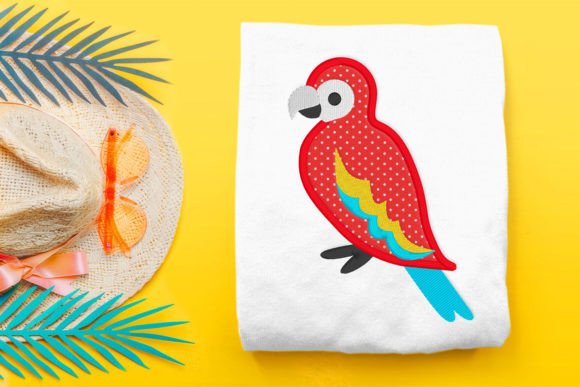
When I first opened the Parrot Applique Embroidery file, the immediate reaction was that this design carries a confident, playful energy without tipping into cartoon territory. For a small business merch line, that balance is gold. The applique approach instantly suggests a tactile, layered finish—something that feels more premium than a flat fill stitch. A tropical parrot motif, handled well, can become a subtle brand anchor for any business that wants to associate itself with warmth, creativity, or a relaxed coastal vibe. Think of a seaside bakery, a boutique plant shop, a pet brand with a vibrant personality, or a florist looking to add a signature touch to their work aprons. The description celebrates summer, and that seasonal lift can make Parrot Applique Embroidery a smart limited-edition merch drop or a permanent cheerful accent.
Right away, I saw the potential for an embroidered patch application. The applique construction means the parrot itself will sit slightly raised from the background fabric, which gives it a handmade, dimensional quality that customers often associate with higher value. For a small business, that perceived craftsmanship can justify a better price point. However, I would caution against assuming it's ready for every use straight out of the box. The success of this design hinges on how well it scales down, how the fabric layers interact, and how the stitch lines hold up on different materials. Before committing to a bulk order, I always test the digital embroidery file on at least three different fabric textures and colors.
Brand Identity and the Applique Advantage
One of the first things I evaluate with any machine embroidery design is whether it can carry a brand's visual identity forward. The parrot applique is inherently decorative, but its tone can be shaped by thread choices and placement. Swap the expected bright greens and reds for muted linen tones, and suddenly it becomes a rustic, sophisticated mark for a farm-to-table café. Keep the tropical palette, and it's a natural fit for a swimwear label, a beach gear rental, or a handmade jewelry brand that wants packaging accents. The applique texture itself communicates a handmade product sensibility, even when produced in volume, which is a subtle but powerful trust signal for customers who value artisan quality.
For a company uniform, brand identity often lives in the details. A small parrot applique on the chest of a polo shirt, or peeking out from a sleeve hem, can turn a basic garment into a memorable uniform without overpowering the employee's name tag or the business logo. I've seen similar avian motifs used by coffee roasters, grooming salons, and even bookstores. The key is to keep the design consistent with the brand's existing color palette and typography. If you're adding Parrot Applique Embroidery to an apron, test how the design interacts with straps, pockets, and folds. The raised applique may catch on rings or utensils, so consider placement carefully—on a pocket flap or the upper chest usually works best.
Real-World Business Applications: Where This Design Shines
Over the years, I've stitched countless designs onto merchandise, and applique embroidery often outperforms standard fills in terms of visual impact on textured items. Here are the business use cases where I see Parrot Applique Embroidery truly excelling:
- Tote bags and beach towels: The description specifically mentions these, and for good reason. A large, vivid parrot on a natural canvas tote instantly becomes a walking advertisement. The applique holds up well to the repeated folding and washing that a tote bag endures, provided the edges are properly secured with a tight satin stitch.
- Cap embroidery: A curved bill or structured cap front can be tricky, but a small to medium parrot applique can work beautifully as a cap crest. The raised applique adds dimension, which helps the design pop against the typical cap fabric. Just avoid overly tiny details—the parrot's beak and eye need to be legible at a distance.
- Apron embroidery: For a bakery, coffee shop, or art studio, a parrot applique on a bib apron adds personality. Use a contrasting thread for the outline to make the design readable against dark denim or canvas. The applique technique also reduces the overall stitch count on the garment, which can prevent the fabric from puckering around heavy fill areas.
- Embroidered patch production: This is perhaps the most versatile path. By stitching the parrot as a standalone patch with a merrowed or satin-stitch edge, you can sell patches separately, attach them to hats, jackets, bags, or even use them as product labels on handmade goods. A patch can be ironed on or sewn, giving customers flexibility.
- Event merch and limited drops: The tropical theme makes this design a strong candidate for summer pop-ups, music festivals, beach clean-up events, or resort gift shops. It's a feel-good graphic that people are likely to keep and reuse, extending brand visibility.
Technical Considerations for the Professional Embroiderer
Before I ever load a new embroidery file onto a production machine, I run through a mental checklist. With Parrot Applique Embroidery, the applique element introduces both advantages and challenges. The biggest advantage is that the large open areas of the parrot's body are replaced by fabric, which drastically reduces the overall stitch count. This means shorter run times and less wear on needles. The challenge is that the placement stitch, the tack-down, and the final satin border must be perfectly aligned, or the fabric can shift, leaving a messy edge. I strongly recommend a test sew-out on the exact fabric blend you intend to use for your final products.
Pay close attention to stitch density around the applique edges. If the satin stitch is too dense, it can perforate lighter fabrics. If it's too sparse, the applique fabric may fray after a few washes. The thread colors you choose will also affect the perceived quality. I always advise testing the design in black and white first—a grayscale printout can reveal contrast issues that might not be obvious in full color. The parrot's beak and eye need enough contrast against the body fabric to read clearly, even from a few feet away.
Another critical factor is hoop size. The description does not specify a minimum hoop requirement, so you must confirm this before purchasing the digital embroidery file. If the design is intended for a 4x4 inch hoop, you may be limited to smaller patches. For apron embroidery or tote bag design, a larger hoop like 5x7 or 6x10 inches might be necessary to achieve a visually balanced placement. Always check the file's dimensions and the included file formats. If the listing doesn't provide these details, reach out to the digitizer and ask about stitch count, thread changes, and any special instructions for the applique fabric placement.
Where to Use Caution: Small Sizes and Tricky Surfaces
While the design looks promising, I would be cautious about using Parrot Applique Embroidery at extremely small patch sizes. The applique method inherently requires a minimum amount of space for the fabric pieces to be cut and placed accurately. If you try to shrink the design to under 2 inches, the parrot's beak, eye, and any tiny feather details may become unrecognizable. The satin stitch border itself will eat into the visible area, and you could end up with a blob of color rather than a distinct bird. For a cap embroidery accent, aim for a size that keeps the parrot's features clear—typically around 2.5 to 3 inches wide works well for a structured cap front.
Curved surfaces also demand respect. The back of a cap, the heel of a sock, the narrow shoulder of a t-shirt—these places can warp the applique if the design isn't specifically digitized for that contour. If you plan to use the design on a sleeve, a pocket, or a curved product, run a test on a similar curved scrap and watch how the fabric puckers. A good stabilizer is non-negotiable. For stretchy apparel, a cut-away stabilizer will keep the design from distorting over time. For a tote bag or towel, a tear-away stabilizer often suffices. I always keep a no-show mesh stabilizer on hand for lightweight fabrics to prevent the back of the applique from feeling scratchy against skin.
Frequent washing is another real-world stressor. If the embroidered item is a staff uniform that will be laundered commercially, the applique fabric must be pre-washed and colorfast. The edge stitching must be dense enough to survive the agitation of industrial machines. I recommend doing a wash test on at least three samples before approving a full production run. The last thing a small business wants is a customer complaint about a fraying parrot patch after a few cycles.
Practical Designer Notes for Seamless Production
My workflow for integrating a new design like Parrot Applique Embroidery into a client's merchandise line follows a few non-negotiable steps. First, I create a printable mockup—a digital preview that shows the design on a t-shirt, tote, or apron exactly as it will appear in real life. This mockup is essential for client approval and for maintaining brand identity consistency across multiple products. I often place the parrot beside other design assets the business uses, such as their logo or typography, to see how they harmonize.
Next, I check the thread colors against the physical thread spools I have in stock. Even a slight shift in hue can change the design's personality. The applique fabric itself is another variable. For a cohesive look, I try to match the applique fabric to the brand's exact color palette. If the parrot's body is a solid piece, I might use a subtle print or a textured fabric to add depth, but always test how the satin border interacts with that texture. Some textured fabrics can cause the border to sink or look uneven.
Finally, I always confirm the commercial embroidery licensing with the digitizer. The description doesn't explicitly state whether the file can be used on items for sale, so it's your responsibility to verify. Most digital embroidery files are sold with a license that allows commercial use on physical products, but some may restrict the number of units or require credit. Don't assume—get the terms in writing. This is especially important for a small business merch line where you might sell hundreds of patched hats or tote bags.
How Parrot Applique Embroidery Elevates Buyer Engagement
From a merchandising perspective, an applique design like this one doesn't just decorate a product; it changes how the customer interacts with the item. The raised texture invites touch, which is a powerful psychological trigger in retail. A customer browsing a boutique might run their fingers over the parrot patch on a tote bag and instantly perceive the item as more substantial and well-made. That tactile engagement can increase the likelihood of purchase and the perceived value of the finished product. For an Etsy seller, having a distinctive applique element can set your listings apart in a sea of printed graphics.
The tropical theme also lends itself to storytelling. A florist could tie the parrot into a "jungle blooms" collection. A bakery could use it on packaging for a summer pineapple cake. A pet brand could align it with exotic bird toys or natural treats. Parrot Applique Embroidery becomes not just a design, but a flexible narrative tool. When you present it thoughtfully, you're not just selling a shirt; you're selling a piece of a lifestyle. That emotional connection is what builds brand identity and customer loyalty over time.
In the end, as an embroidery designer, I look for designs that are both visually striking and technically sound. The Parrot Applique Embroidery file shows a lot of promise for custom apparel and embroidered patch applications, provided you respect its size limits and material requirements. The category may be Birds and the type may be Embroidery, but the real value is in how you translate that tropical energy into a tangible brand asset. Test it thoroughly, use it intentionally, and it could become a signature piece that your customers remember and ask for by name.