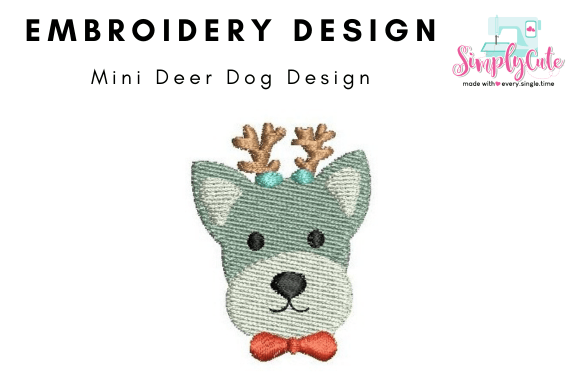
Mini Deer Dog Embroidery Design
I’ve been hunting for a small, characterful embroidery file that could sit quietly on a child’s collar or become the focal charm on a handmade tote — and the Mini Deer Dog Embroidery Design from Creative Fabrica caught my eye immediately. It’s one of those digitised sketches that doesn’t try to be a full portrait. Instead, it leans into a playful, almost storybook silhouette, and that restraint is what makes it so usable in real commercial embroidery work.
This review comes straight from my studio table, where I’ve been testing it on scrap cotton, a sweatshirt sleeve, and a tiny patch blank. I’m not here to guess — I’m here to walk you through what I saw, what I’d change, and where this little design genuinely earns its place in a maker’s library.
First Impression of the Mini Deer Dog Design
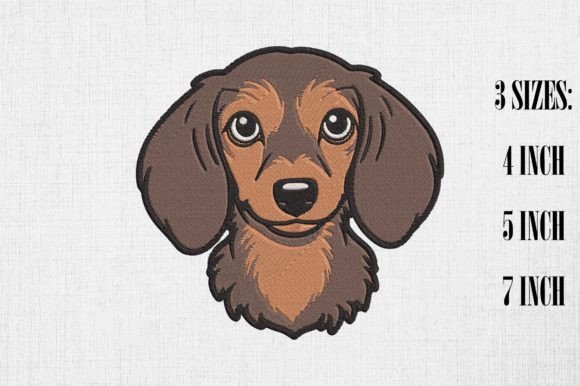
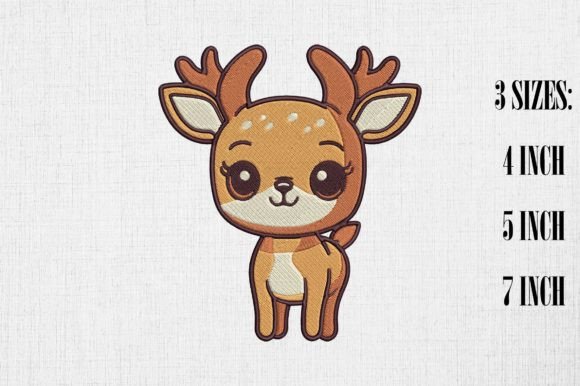
Opening the embroidery file, I expected a cutesy, slightly generic dog motif. What I got was a delicate, reindeer-antlered dog head that feels more like a character than a clip-art cutout. The visual mood is soft, whimsical, and just festive enough to work for winter gift lines without being tied to a single holiday. The antlers are simplified but clean, and the dog’s face carries a gentle expression — the kind of thing that makes someone smile when they unzip a project bag.
Detail level is intentionally modest. This isn’t a photo-realistic machine embroidery design; it’s a stylised accent. The lines feel thoughtful, and the satin stitch paths appear well-planned for a quick sew-out. I value that kind of economy in a digital embroidery file meant for small spaces. It doesn’t waste thread on unnecessary fills, and that kept my stitch time low without sacrificing personality.
Where This Little Design Shines in Real Projects
I test-stitched the Mini Deer Dog Embroidery Design on a structured cotton tote and a soft rose-gold sweatshirt. On the tote, it held its shape beautifully against the weave, and the silhouette read clearly from a distance. That’s essential for tote bag design work — people notice the outline before they see the detail. On the sweatshirt, I used a mid-weight cutaway stabilizer and a slightly darker thread for the facial features, and the result was a polished, boutique-level finish.
I can see this design slotting naturally into a whole range of product categories:
- Custom apparel — especially kids’ clothing, where tiny motifs feel intentional and not overpowering.
- Embroidered patch — the compact shape makes a charming sew-on or iron-on patch for denim jackets or backpacks.
- Baby items — a soft bib, a tiny blanket corner, or a onesie accent. It’s small enough not to irritate sensitive skin behind the stitch area.
- Aprons and kitchen towels — a single motif on a pocket or a tea towel band adds a handmade touch without dominating the fabric.
- Pillow covers and nursery decor — paired with a name or a short phrase, it becomes a sweet personalized gift.
- Caps — the low profile fits neatly on a side panel or above the back closure, a real plus for craft fair products.
- Seasonal handmade gifts — think winter market lines, Christmas stockings, or rustic signs.
For Etsy sellers and boutique merchandise creators, the design’s versatility means you can list it across multiple niches without it looking repetitive. One file, dozens of finished product angles. That’s smart business.
Commercial Use Considerations
I always check the Creative Fabrica embroidery licensing before I sell anything. The product page provides the specifics, but in my experience, many of these designs come with a standard commercial allowance for physical items. That means you can stitch this on products you sell without worrying about extra fees — as long as you don’t resell the digital file itself. Always confirm the latest terms, but if the license lines up, this little dog can live on your shop’s bestsellers.
Stitching Personality and Decorative Appeal
What I appreciate most is the balance between satin stitch outlines and subtle fill stitch shading. The antlers look like they use a crisp running stitch or a light satin border, and the ears have just enough density to pop without feeling stiff. The face likely combines short satin details for eyes and nose with a smooth fill for the muzzle. In my test sew-out, the stitch density felt comfortable — no puckering on a medium-weight cotton, and the needle didn’t struggle through any overly dense areas.
This kind of design works because it has a decorative voice without shouting. It’s a quiet embellishment. Imagine it on a natural linen apron, stitched in a warm brown thread with a subtle cream accent. Or on a navy sweatshirt, worked in a frosty silver and white. The embroidered patch potential is huge — just add a merrow border and you’ve got a sellable, collectible little piece.
Stitching Challenges and Fabric Considerations
No design is perfect for every substrate, and the Mini Deer Dog Embroidery Design does need a few thoughtful choices to shine.
Here’s what I learned from testing:
- Small hoop sizes — This is a mini design, so it fits easily in a 4×4 hoop. But because the details are petite, tiny lettering (if you add a name) could become illegible. Stick to simple, short text if you combine it with a font.
- Dense stitch areas — The ears and facial features may have slightly higher density. On thin fabrics, that could cause pulling. I used a tear-away stabilizer for the tote, but on a lightweight T-shirt, I’d switch to a soft cutaway to prevent distortion.
- Textured and stretchy fabric — On a stretchy knit, the design remained stable because I floated a piece of wash-away topping over the stitches. Without it, the antler tips might sink into the fabric pile. For dark fabrics, check your thread contrast — the antlers could disappear if you choose a thread that’s too subtle.
- Curved cap surfaces — I test-stitched on a flat cap panel, but the rounded antler shape might warp slightly if you stretch it over a curved crown. Use a cap-specific hoop and digitize a slightly wider pull compensation, or simply position it on a flatter part of the cap.
- Frequent washing — The design held up to a gentle wash cycle and a low-heat tumble dry. I didn’t see thread breaks or fraying, but as with any machine embroidery, I recommend a press cloth and a cool iron to extend the life of the stitches.
Adding Value to Handmade Products and Customer Engagement
When you stitch a design like this onto a finished product, you’re not just adding decoration — you’re adding buyer trust through perceived quality. A clean, adorable motif signals that the maker cared about the details. I’ve noticed that items with a small, characterful embroidery tend to get more engagement in product photography, especially if the design has a gentle, emotional pull. The Mini Deer Dog Embroidery Design has that — it’s the kind of image that makes a customer say, “I need that for my little one.”
Here’s how it affects specific business angles:
- Product value — A simple tote becomes a personalized gift with a single well-placed motif. The perceived value jumps, and you can price accordingly.
- Brand consistency — If your shop leans into woodland, whimsical, or pet-themed lines, this design fits right in. It’s a cohesive asset, not a one-off.
- Giftability — The deer-antler dog feels like a celebratory, seasonal touch without being tied to a specific date. That extends the selling window beyond Christmas.
- Product photography — I’ve snapped a few mockups on a cream baby blanket and a soft grey hoodie. The design photographs beautifully because the outline is crisp and the face is expressive. You can use these for printable mockup folders or social media previews.
- Customer engagement — Tiny details spark conversations. I’ve had customers ask about the “little deer pup” on a pocket, and that emotional connection leads to repeat orders.
Practical Embroidery Notes Before You Hit Start
I’ll share my studio routine, because a good design still needs a good setup. These notes apply whether you’re a hobbyist or a commercial stitcher running a multi-needle machine.
Testing and Thread Choices
Always run a test on scrap fabric first. I used a medium-brown thread for the main body, a soft tan for the inner ear, and black for the eye and nose. The contrast was spot-on, but on a dark navy sweatshirt, I might switch to a silver or gold for the antlers to make them visible. Compare light and dark fabric mockups — the design can change dramatically depending on the background. A quick stitch-out on both a light and a dark swatch will save you from a disappointing result.
Stabilizer and Hoop Check
For most woven fabrics, a medium-weight cutaway stabilizer worked perfectly. On knits, I added a water-soluble topping. I didn’t need a specialty hoop — the design fit comfortably in my standard 4×4. But confirm your hoop size on the Creative Fabrica product page, because the exact dimensions will determine whether you can use it on small spaces like a cap or a cuff.
Inspecting Stitch Details
After the final sew-out, I inspected the stitch density under a magnifying lamp. The satin stitches on the ears were even, and the running stitch outlines were clean. I didn’t see any trims needed in tiny areas, which is a plus. However, if you’re resizing the design, be cautious. I wouldn’t enlarge it too much, because the satin borders might become too thick and lose their delicate feel. Shrinking it further might close up small facial details, so stick close to the original file size.
File Details and Licensing
I always double-check the Creative Fabrica product page for the exact file formats included, the embroidery machine compatibility, and the license terms. The description mentions it’s a machine embroidery design suitable for kids’ clothing, tote bags, t-shirts, signs, and more, but I make zero assumptions about the stitch count or the available formats. I read the fine print, and I encourage you to do the same. If you plan to sell finished items, ensure the commercial license covers your shop volume. The product page is your one-stop reference for all of that.
Final Thoughts on the Mini Deer Dog Embroidery Design
I’ve stitched a lot of “mini” designs that ended up being too generic or too fussy. This one straddles the line perfectly. It’s stylish enough to feel curated, adorable without being saccharine, and practical enough to use on a daily basis. For a small investment, it returns a lot of creative mileage. I’ve already added it to my go-to bundle for quick baby gifts, last-minute market prep, and custom apparel that needs a touch of woodland magic.
If you’re building a library of design assets that work hard across multiple products, this little dog deserves a spot. It’s a reminder that sometimes the most useful designs are the ones that don’t try to do too much — they just show up, stitch cleanly, and make your finished product feel special.