Grammy Machine Embroidery: Designer’s Apparel Review
When I first spotted the Grammy machine embroidery file on Creative Fabrica, I immediately pictured it stitched onto a soft, oversized sweatshirt in a boutique collection. As someone who designs and produces small-batch apparel for Etsy and local markets, I evaluate every machine embroidery design through a practical lens: will it feel premium, stitch cleanly, and elevate a simple garment into something customers reach for again and again? This design has a clear, heartfelt voice that can fit beautifully into a lifestyle brand — if you approach it with the right placement and finishing choices.
First Impressions: Visual Personality and Stitching Mood
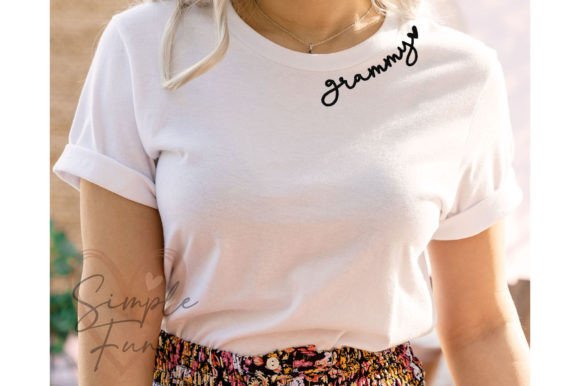
The design carries a sense of warmth that feels instantly personal. The word “Grammy” itself is the centerpiece, and its typography likely leans into a script or decorative serif style — the kind of lettering that reads as both classic and approachable. For boutique apparel, this means the Grammy machine embroidery file can deliver a look that is equal parts sentimental and trendy, especially when paired with modern garment silhouettes. It doesn’t feel overly rustic or juvenile; instead, it has the kind of charm that makes a hoodie feel like a thoughtful gift or a cozy staple.
I mentally tested the design across several color palettes. On a neutral oatmeal or dove gray sweatshirt, the stitches would likely stand out with gentle contrast, making the word “Grammy” feel soft and sophisticated. On a pastel pink or sage hoodie, the same design could take on a springtime, feminine personality. For dark apparel — charcoal, navy, or deep burgundy — the impact depends heavily on thread color selection. A metallic gold or white thread could make the design pop without losing readability. The absence of heavy fill areas suggests the Grammy machine embroidery file is designed to be light and airy, which is a good sign for wearing comfort and drape.
Sweatshirt and Hoodie Chest Placement
The classic left-chest or center-chest placement is where this design will likely shine. For a small shop owner preparing a Mothers Day drop or a cozy grandparent-themed capsule, a chest embroidery around 3.5 to 5 inches wide can feel instantly premium. I recommend testing the Grammy machine embroidery file on a fleece sweatshirt with a medium-weight cutaway stabilizer to prevent puckering. The word itself, if it contains delicate script connectors, may need a slightly higher stitch density to maintain legibility on textured fabric, so always run a sample on the exact garment you plan to sell.
Sleeve Accents and Back Designs
Sleeve embroidery is a growing trend, and a small version of this design could work beautifully on the cuff or upper arm of a hoodie or denim jacket. The emotional tone of “Grammy” on a sleeve adds a subtle, personal detail without overwhelming the garment. For a larger back design, scaling this up would require checking the Creative Fabrica embroidery file details for maximum stitch count and dimensions. A back placement on a lightweight jacket or a premium pullover could turn the piece into a statement garment — especially if the design includes decorative elements like small floral accents or a delicate border.
T-Shirts, Tote Bags, and Beyond
On a ringspun cotton tee, the Grammy machine embroidery file can hold its own as a primary logo or a subtle pocket design. For tote bags, stitching it onto canvas or cotton-linen blends adds a personalized, handmade feel that photographs well for Etsy listings. I’ve found that designs with a single strong word like this perform exceptionally well in lifestyle product photos — you can style the tote with a matching sweatshirt, a coffee mug, and a cozy blanket to create a cohesive brand story. Since the product description mentions home decor and crafts, this file can also transition into non-apparel items like throw pillows or keepsake blankets, which broadens its value for a creative business.
Where to Use Grammy Machine Embroidery Carefully
Every design has its sensitive spots, and this one is no exception. The Grammy machine embroidery file likely includes fine details — perhaps connected script letters or thin flourishes — that demand extra attention on stretchy or ribbed fabrics. Interlock knits and ribbed cuffs can distort tiny lettering, so I’d avoid placing the design directly on a ribbed hem or across a garment seam. Instead, stick to stable, flat areas like the front bodice, upper back, or the center of a sleeve panel.
- Stretchy fabrics: Use a fusible backing or a no-show mesh stabilizer to keep the design from warping when the garment is worn.
- Dense stitch areas: If the file contains small satin columns or complex turns, test on a scrap of fleece first — dense stitching can sink into the pile, blurring the word.
- Dark garments: Contrast is everything. A light thread on a dark sweatshirt will show every stitch imperfection, so choose a high-quality polyester thread that stands up to washing and keeps its sheen.
- Curved surfaces: On a hoodie pocket or a sleeve, slight curvature can distort lettering. Hoop tightly and consider a curved needle plate if available.
How This Design Elevates Boutique Brand Value
Adding a Grammy machine embroidery piece to your collection does more than just fill a product slot — it can shape your brand identity. In my experience, customers gravitate toward apparel that tells a story. A “Grammy” sweatshirt immediately conveys a sense of family, warmth, and nostalgia. It’s the kind of item that gets shared on social media, gifted during the holidays, and worn in family photos. For a small shop, this creates organic buyer trust and product recognition that generic designs rarely achieve.
When I prepare a collection, I think about visual consistency across my listings. The Grammy machine embroidery file, when stitched cleanly, photographs beautifully in flat lays or on a model. The emotional connection it carries often translates into higher engagement on platforms like Instagram and Etsy. Customers who see a well-executed embroidered “Grammy” hoodie are more likely to save the listing, share it with a friend, or return to purchase as a gift. From a commercial perspective, this design can add a meaningful layer of perceived value — a finished sweatshirt that might otherwise sell for $35 can easily command $55 or more when the embroidery feels intentional and polished.
Designer’s Practical Checklist Before Stitching
Before I commit to a production run, I always run through a mental checklist. The Grammy machine embroidery file is no different. Because the product description on Creative Fabrica gives a broad overview but doesn’t specify exact stitch counts, file formats, or hoop size requirements, I advise every maker to do their own due diligence:
- Test on scrap fabric that matches your final garment in weight and texture. Fleece, French terry, and cotton jersey all behave differently under the needle.
- Check stabilizer choice. For sweatshirts, a medium-weight cutaway often works best. For T-shirts, a tear-away or a lightweight cutaway can preserve drape.
- Review thread color contrast. Order a few thread spools in advance and test at least two color options — one subtle, one bold — to see which best matches your brand aesthetic.
- Confirm your hoop size can accommodate the design. Even if the file is listed as “4x4” or “5x7,” measure the actual embroidery area and leave room for hooping without crushing the garment.
- Inspect stitch density. Run a sample and examine the back of the fabric. If the design feels stiff or pulls the fabric, you may need to adjust density or use a softer backing.
- Compare placement options. Print a paper template of the design and pin it to a live garment. Wear it, move around, and check how the design looks from different angles.
- Check Creative Fabrica product details and licensing. Before selling finished apparel, ensure the file’s license covers commercial use and that you understand any attribution or usage limits mentioned on the product page.
Since the Grammy machine embroidery file description mentions it is suitable for clothing, home decor, and crafts, I’m confident it can be used across a range of projects. Still, I always recommend opening the file in your embroidery software first to confirm digitizing quality, trims, and color stops. A quick preview can save hours of troubleshooting later.
Final Thoughts from a Working Designer
I see the Grammy machine embroidery design as a strong addition to a boutique apparel line, especially for brands that lean into family, comfort, and heartfelt messaging. It’s not an overly complex or flashy design, but that’s precisely its strength. On a well-chosen sweatshirt, it whispers rather than shouts — and in a market saturated with bold graphics, that quiet confidence can become a signature. Whether you’re an Etsy seller preparing a seasonal drop, a small shop owner curating a cozy collection, or a creative entrepreneur testing new digital embroidery files, this design has the potential to bring a unique style and personality to your finished products. Just remember: the magic is in the testing, the thread choice, and the placement. Nail those, and your customers will feel the love in every stitch.